
There’s a trip from Bariloche that I’ve been wanting to do for a long time, and that is the boat tour to Puerto Blest and Cantaros Waterfall.
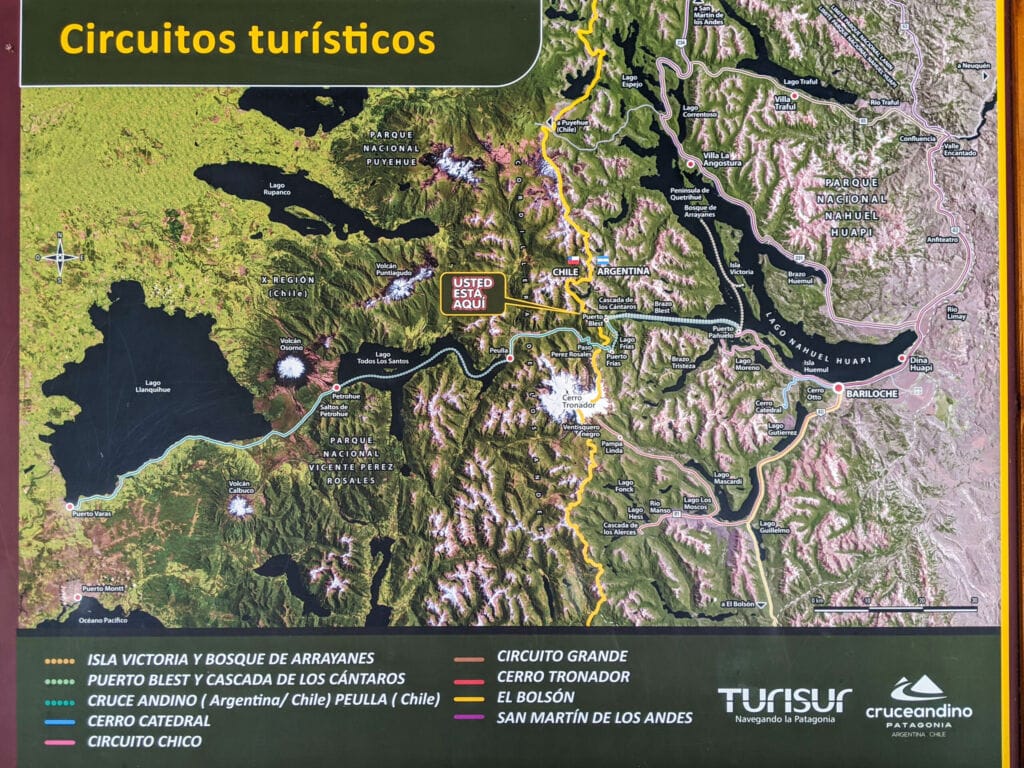
Puerto Blest is a small port in the Valdivian forest, tucked deep in Nahuel Huapi National Park just before you hit the border between Argentina and Chile. What you’ll find here are waterfalls, hiking trails and a historic hotel, should you choose to spend the night!
I knew I wanted the full experience! I wanted to have enough time to enjoy the hotel without feeling like I was missing out on all this nature right at my doorstep, so when I booked our trip, I opted to stay overnight.
That being said, many travellers choose to visit Puerto Blest as a day trip from Bariloche. This is certainly possible, and you can cover a lot of the landmarks in and around the port.
So, for anyone considering this destination, I’m going to outline both options and share all the info you need, so you know how to visit Puerto Blest for the day or overnight.
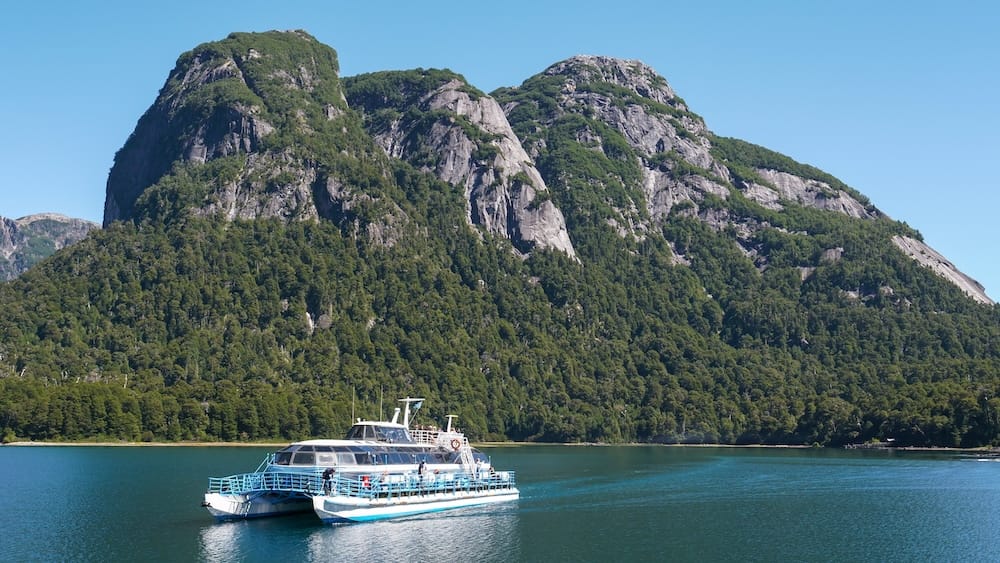
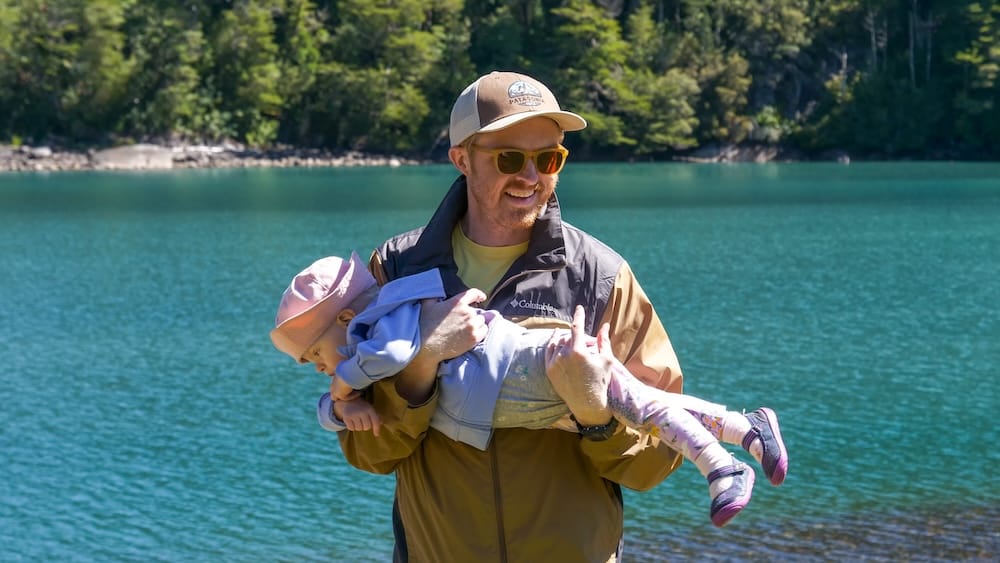
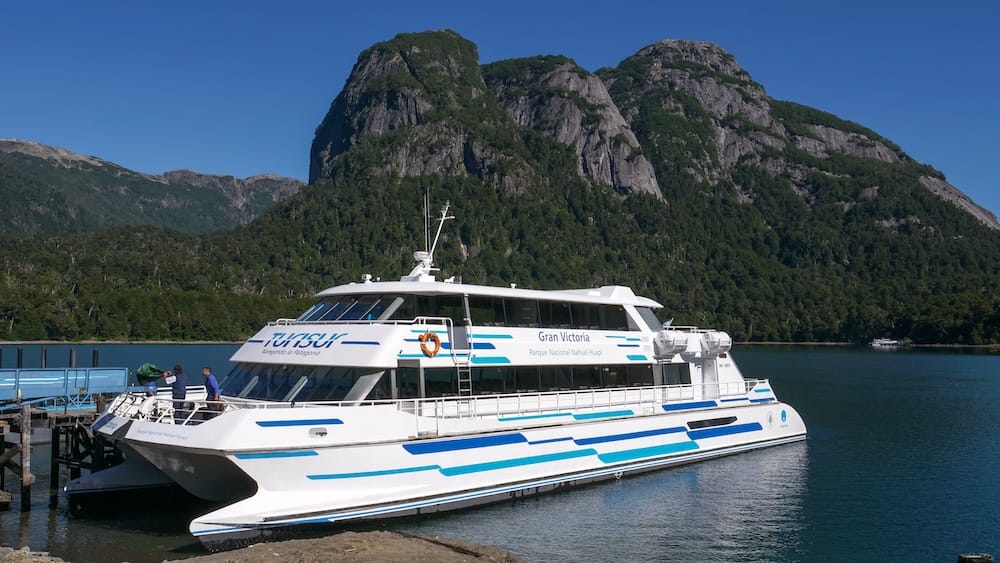
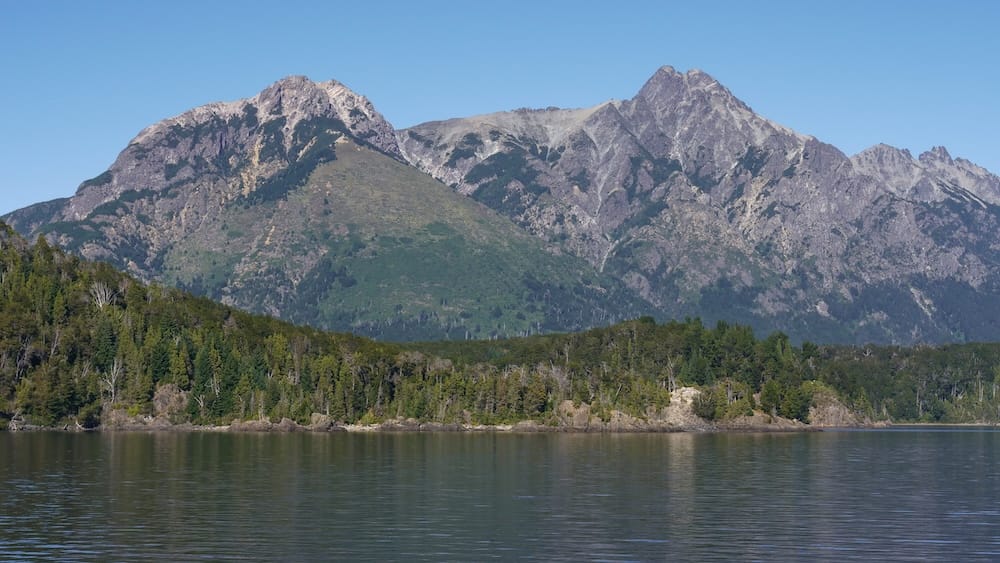
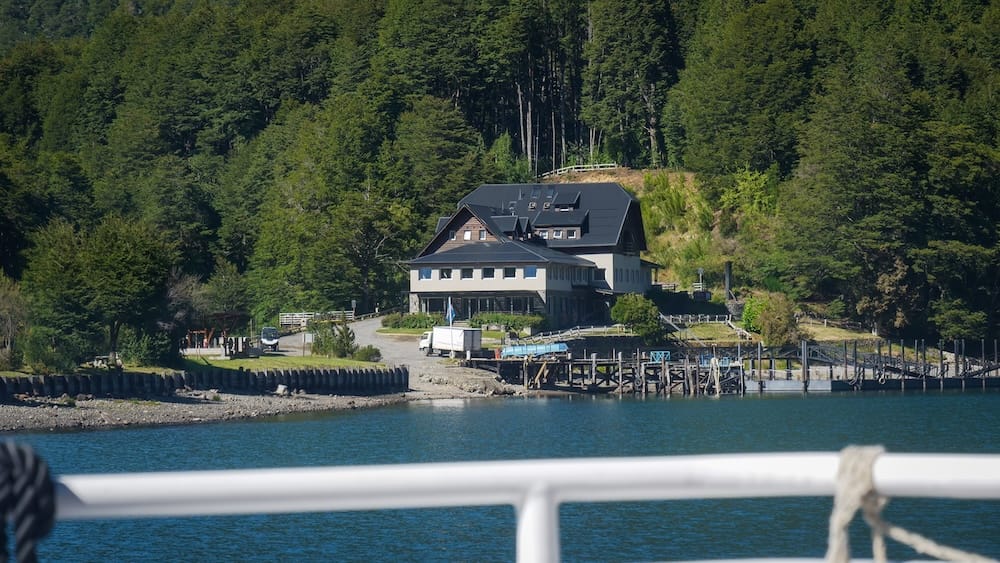
Cruising to Puerto Blest
Puerto Blest is not just about reaching the destination, but rather enjoying the journey there!
Whether you’re visiting Puerto Blest on a day tour or staying the night, the boat departs from Puerto Pañuelo. This is the port located right across from the Llao Llao Hotel. The only other access point is via Chile if you’re doing the Andean Crossing or Cruce Andino.
The tour we booked included the transfer from Bariloche to Puerto Pañuelo; however, depending on the option you choose, you may need to arrange your own transportation to the port (Uber or taxi). You need to arrive one hour before the departure time in order to pay your port embarkation fee ($5 USD) and board, so give yourself enough time.
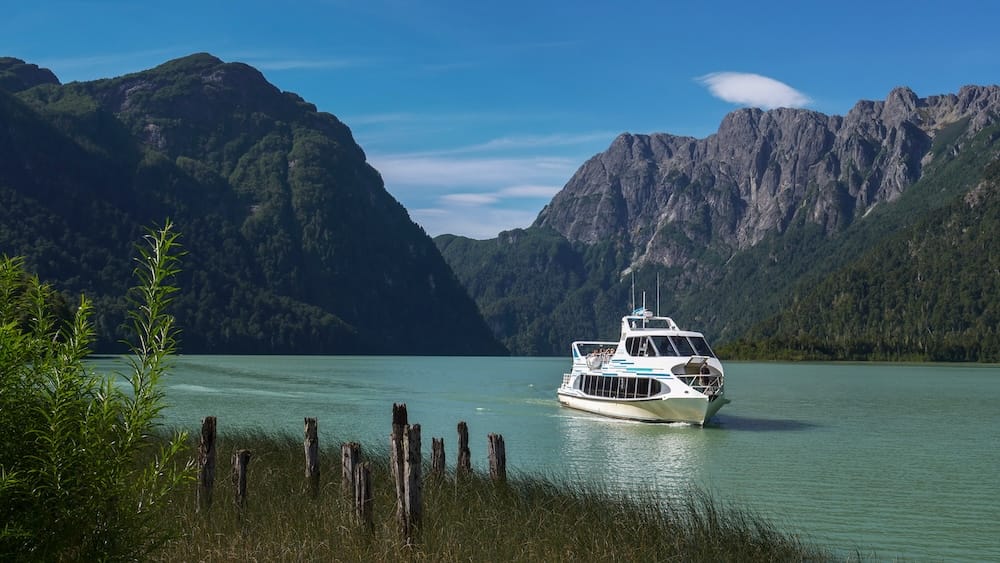
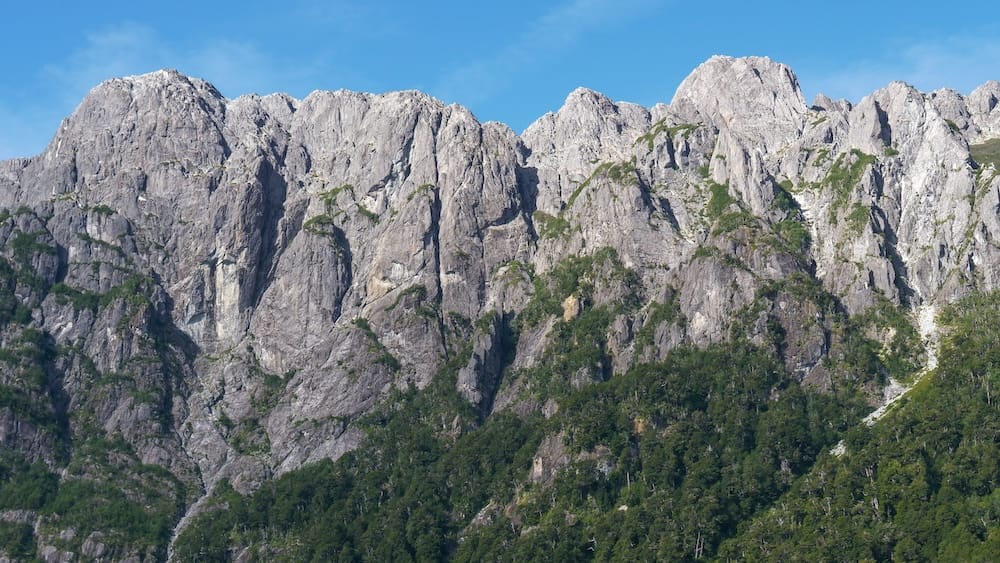
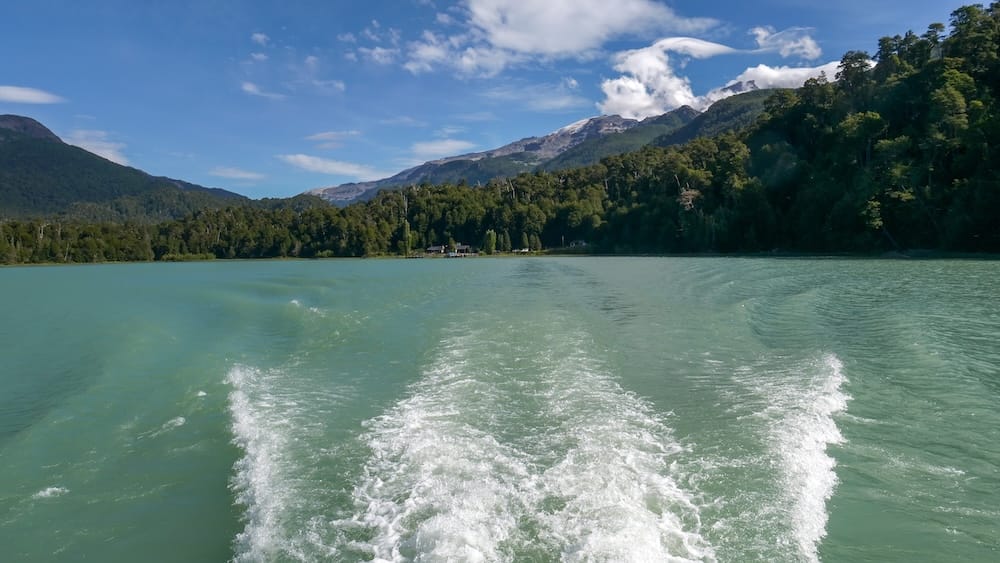
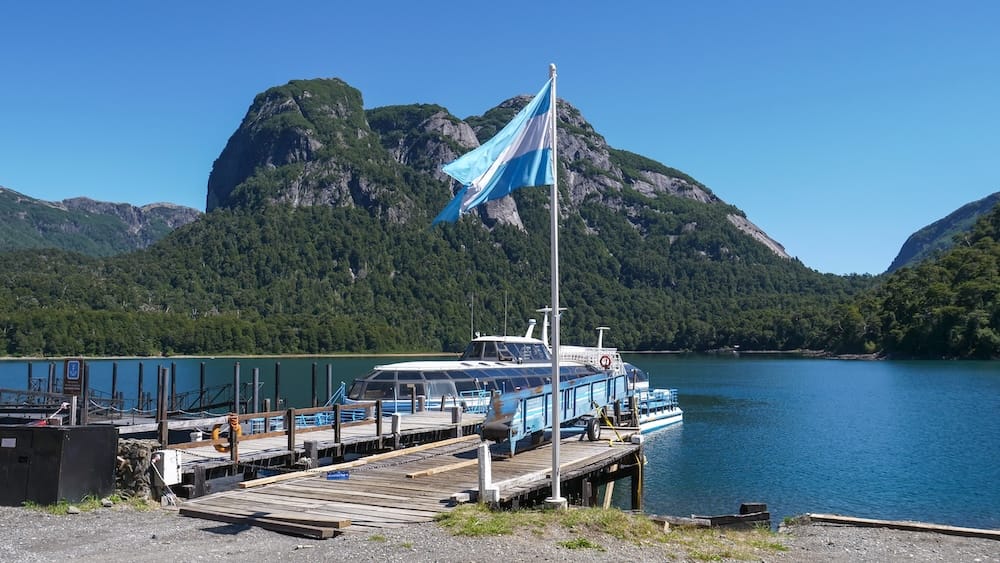
But let’s focus on the trip there. We boarded our catamaran and began our cruise to Puerto Blest via Lake Nahuel Huapi. The scenery was incredible! The weather cooperated, and we were treated to beautiful views of mountains and Valdivian forest.
About an hour into the journey, we cruised past Centinel Island or Isla Centinela, where the captain blew the horn three times. This is to honour Perito Moreno, the father of Argentina’s National Parks, whose remains lie on this very island.
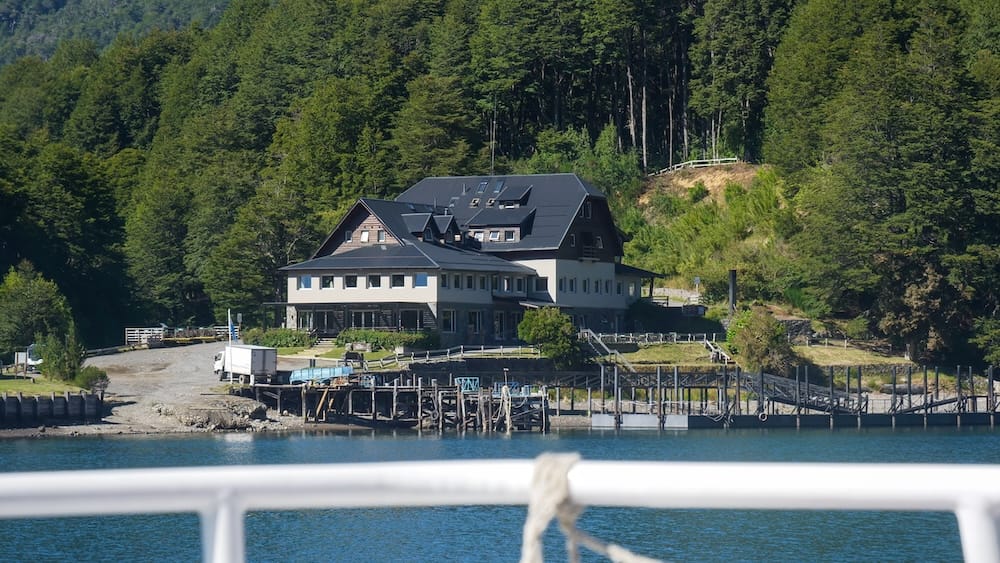
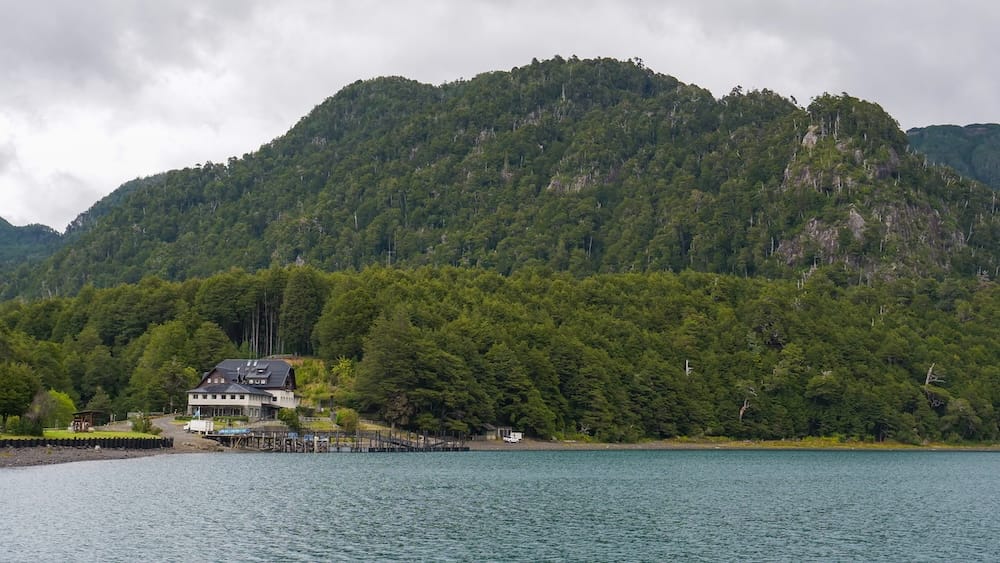
Shortly after, we caught a peek of Hotel Puerto Blest in the distance, signalling our arrival at port.
Staying Overnight at Hotel Puerto Blest
As I’ve said, it is possible to visit Puerto Blest and Cantaros Waterfall on a day trip, but I really wanted to stay the night and get to experience Hotel Puerto Blest.
This beautiful lakeside property has been saved on my ‘Places to visit in Argentina’ wish list for ages, so I needed to make it happen!
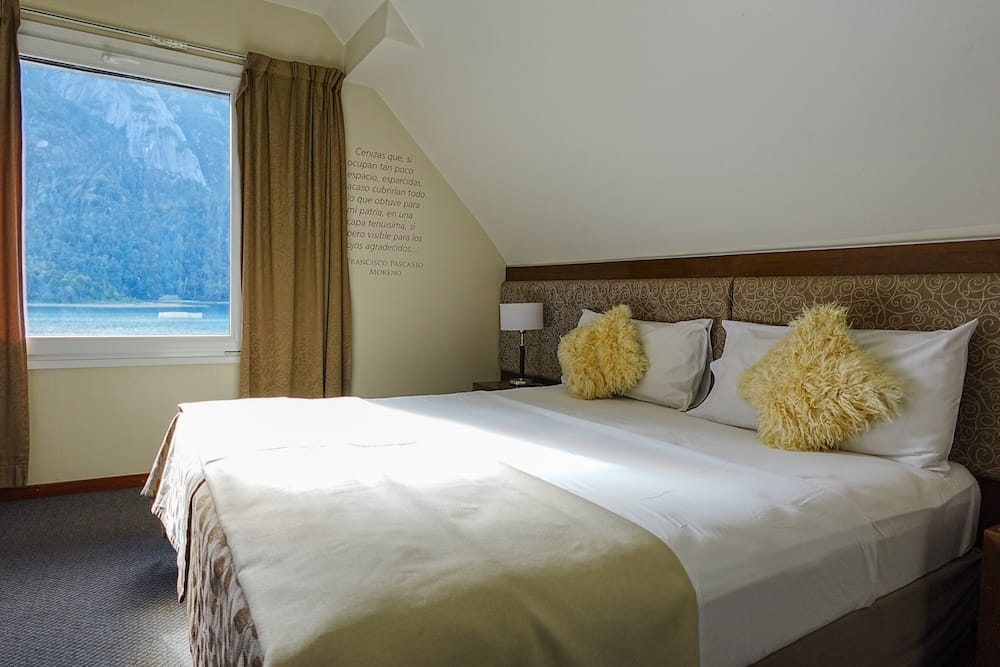
The hotel feels small and intimate with only 15 rooms. These rooms offer views of either Frias River or Nahuel Huapi Lake. Ours was on the top floor and had lake views.
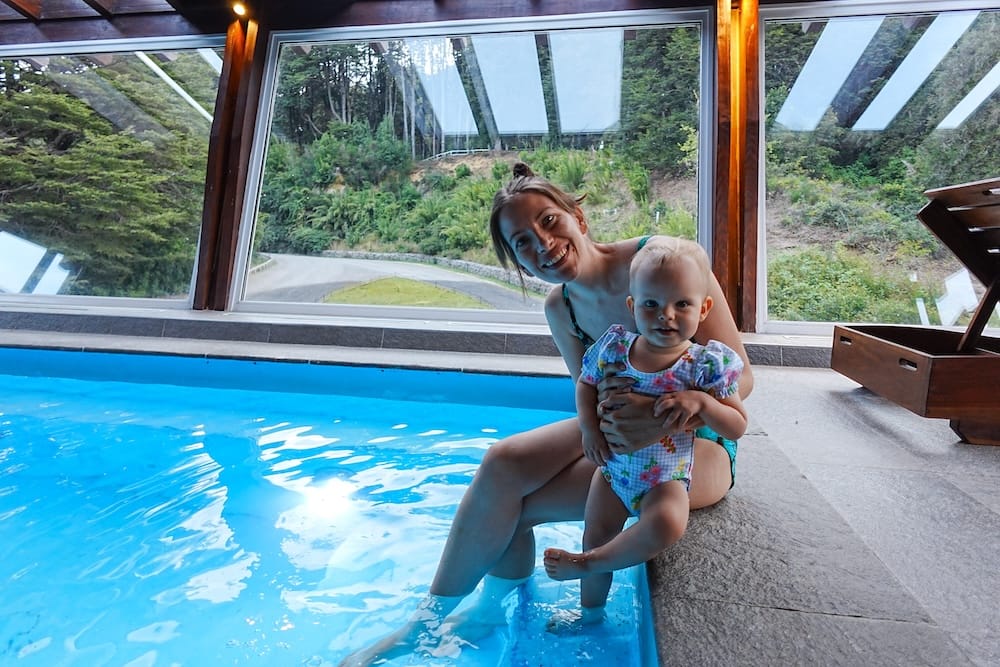
We only spent one night here, but we made the most of the property, enjoyed the pool, explored the grounds, and just marvelled at the beauty all around us! It’s not every day we get to stay in a historic hotel in the middle of a national park.
If you’re thinking of staying here, you can read my full review of our stay at Hotel Puerto Blest.
Cantaros Waterfall
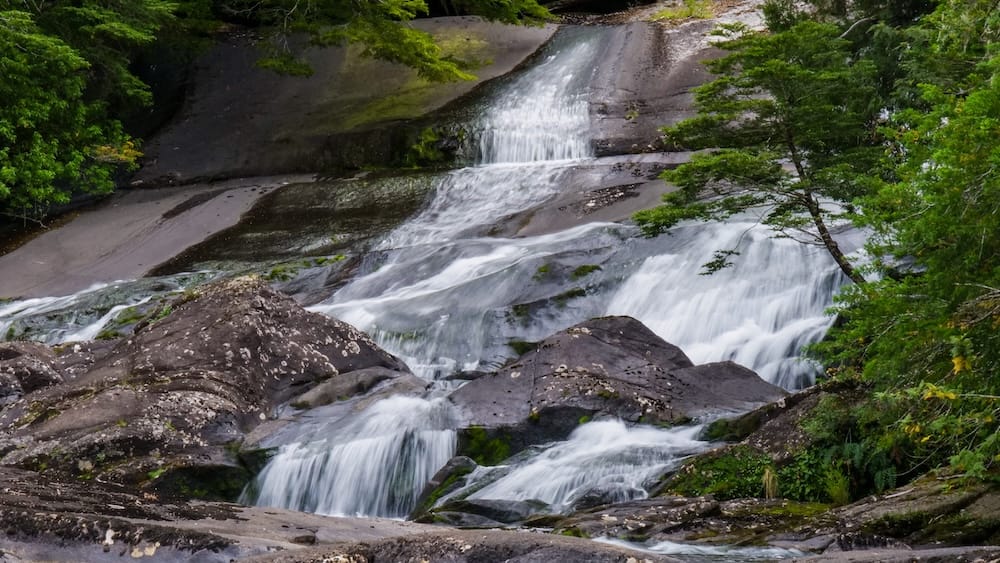
Known locally as Cascada de Los Cántaros, Cantaros Waterfall is one of the main attractions in Puerto Blest. This is where the Cantaros Lake forms a river that drops more than 100 metres and continues its journey into Lake Nahuel Huapi.
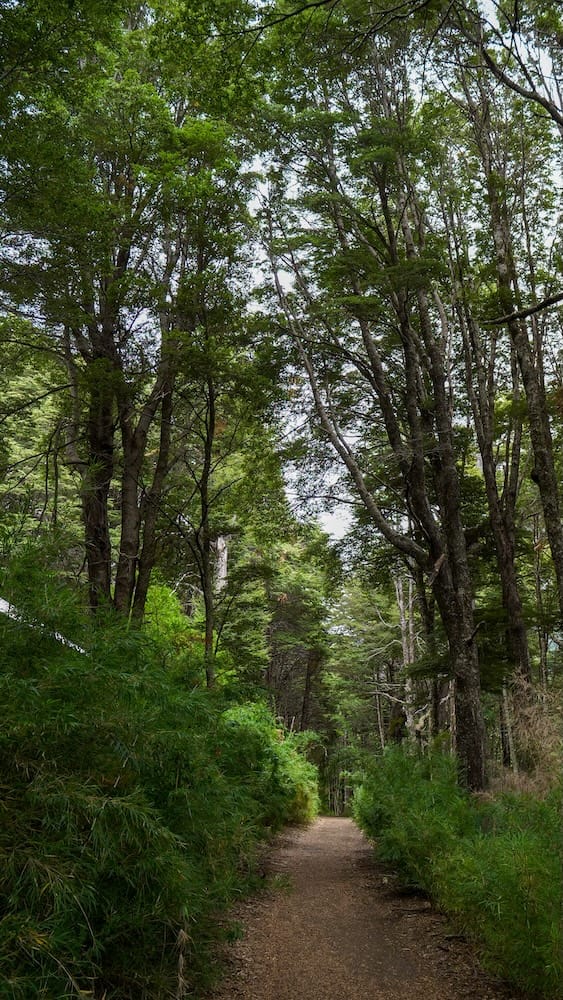
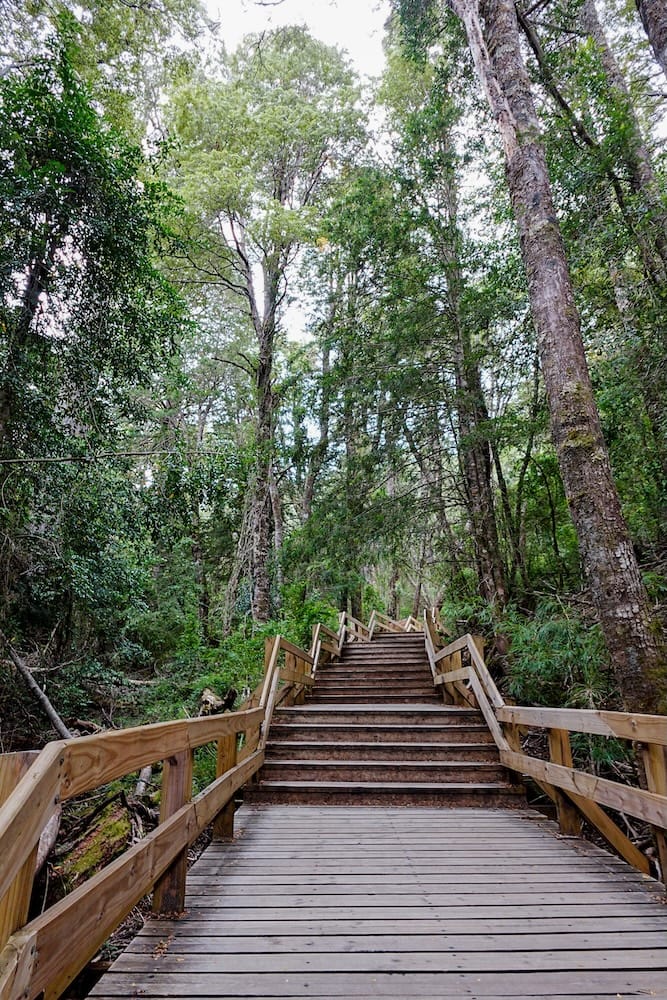
Cantaros Waterfall is set in the lush Valdivian Forest, and to reach it, you have to climb some 700 steps to the top. There are 3 viewpoints along the way, and Sam said the third and furthest viewpoint was the best and his favourite, so there’s the encouragement you need to hike all the way to the top!
There are two ways to visit Cantaros Waterfall:
- You can hike from Puerto Blest to Puerto Cantaros and then to Cascada de Los Cantaros (two trails). This option makes sense if you’re staying overnight at Hotel Puerto Blest.
- Or you can take the boat from Puerto Blest to Puerto Cantaros and hike up to Cascada de Los Cantaros. This is a good option if you’re visiting Puerto Blest on a day trip and your time is limited, or if you’re staying the night and want to save your legs and avoid the 5-kilometre round trip to reach Puerto Cantaros.
Cantaros Lake
Once you have reached Cantaros Waterfall, you can continue further to Cantaros Lake, also known as Lago Los Cántaros.
You’ll probably be tired by then, but here’s some more motivation to keep you going: you can see a 1500-year-old larch tree! In Argentina, the larch is known as the alerce, and it thrives in the Valdivian temperate forests at the foot of the Andes Mountains.
These trees can live for thousands of years! In fact, a few years back, we visited the second-oldest alerce tree, known as the Alerce Abuelo or Grandfather Larch, in Los Alerces National Park.
You can view the trail to Cantaros Waterfall and Cantaros Lake here.
Frias Lake
Some day tours to Puerto Blest include a visit to Lake Frias, but if not, you can book it for an additional cost. This neighbouring lake is accessed by boarding a shuttle at Hotel Puerto Blest and travelling to Puerto Alegre.
You then board another boat for a short navigation on Frias Lake to Puerto Frias. This is as far as you can travel on the Argentine side before reaching the border with Chile.
At Puerto Frias, you’ll find the international checkpoint, Paso Internacional Perez Rosales, where you would do immigration before crossing over to Chile if you’re travelling the Cruce Andino.
Another unique attraction you’ll find at Puerto Frias is a replica of La Poderosa II, a Norton 500 motorcycle, which Che Guevara used to cross at this very checkpoint during his 1952 trip across South America.
Other hikes at Puerto Blest
There are 7 hikes to enjoy at Puerto Blest, ranging from easy 15-minute loops to more demanding 2-hour hiking trails.
Had this been our pre-baby era, we would have tried to tackle multiple trails; however, we were travelling with our toddler and no hiking backpack.
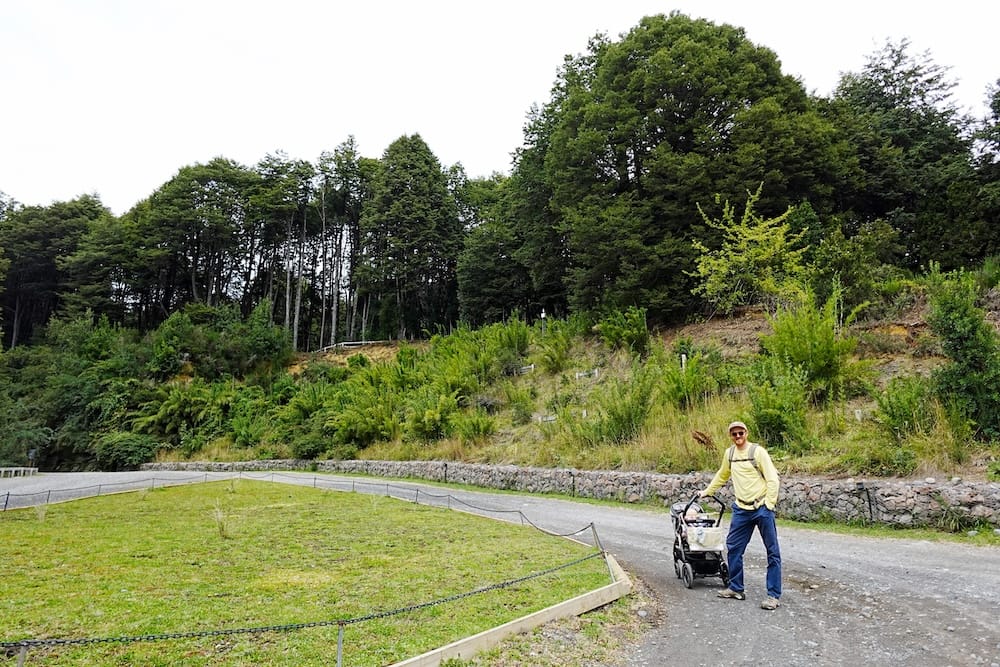
One of the staff members suggested we do one of the trails with our stroller… we made an attempt, and I would not recommend it to any parents! Strollers and loose gravel do not mix, so we had to turn back around.
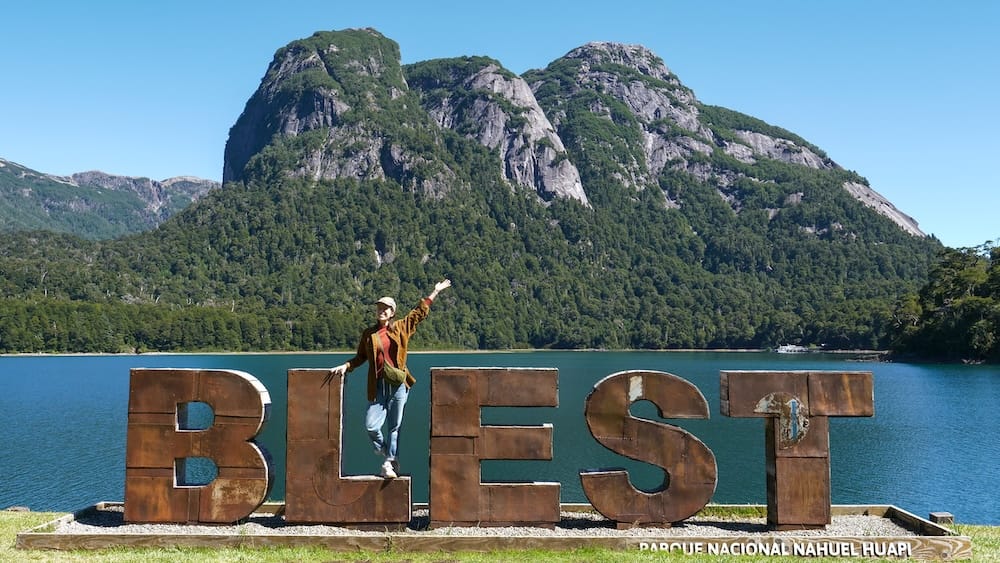
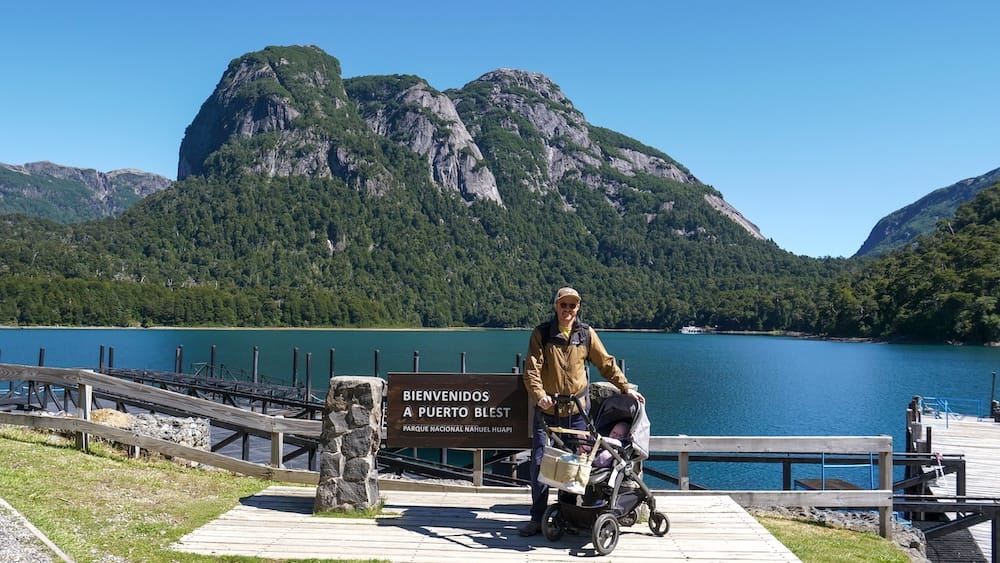
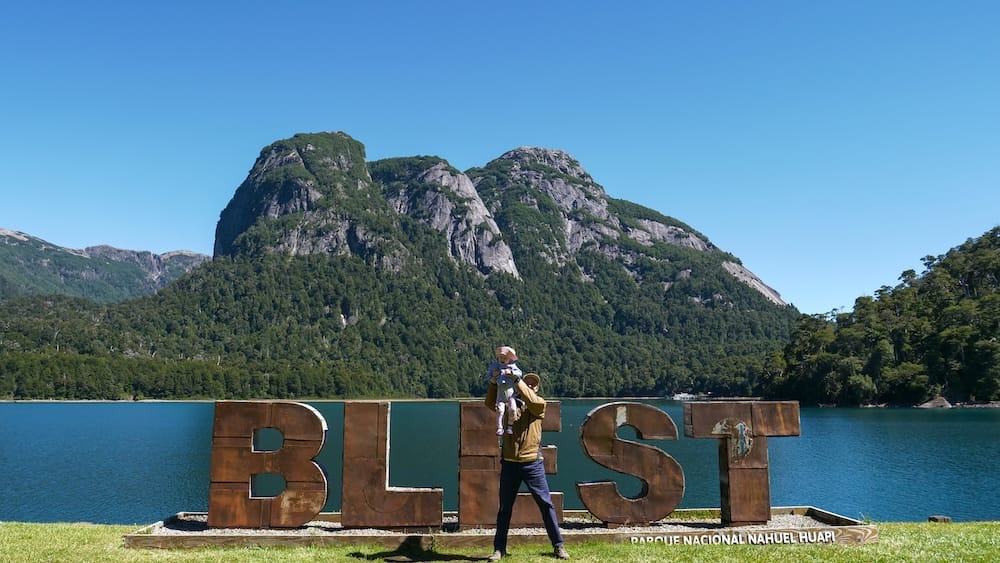
In the end, we did Sendero La Península as a family, which is a short little walk to the point where the Frias River and the Blest Lake meet. This is also where you find the BLEST sign, which makes for a fun photo op. We captured our girl, Aurelia, twirling in front of the sign.
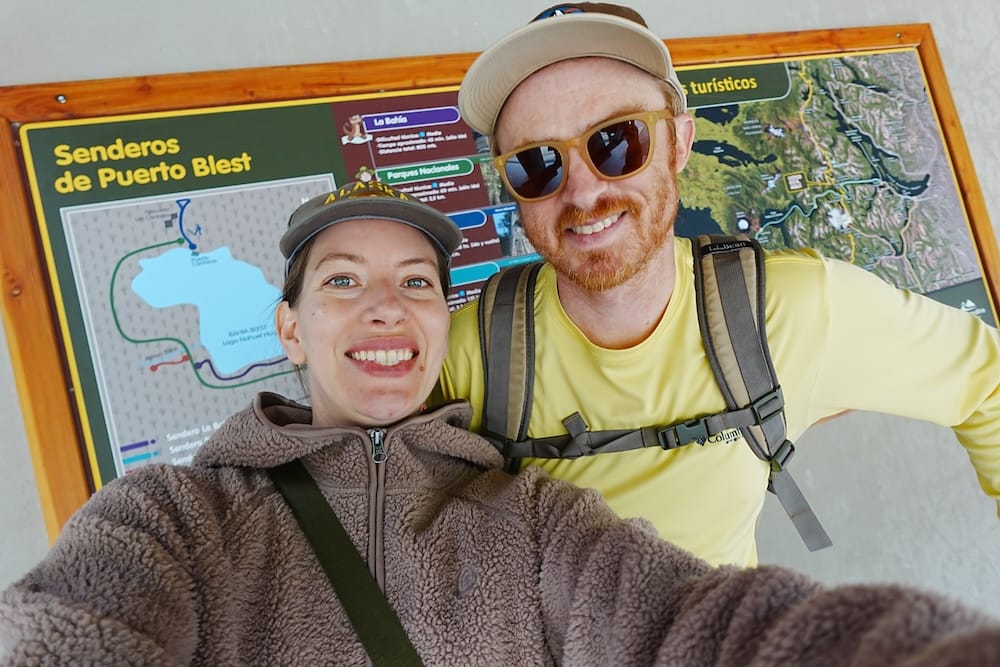
Sam was able to tackle some of the trails solo. He hiked the Parques Nacionales Trail to Puerto Cantaros. Then, he took the Los Cantaros Trail up to the waterfalls, and on his way back, he took the La Bahía Trail detour and walked back to Puerto Blest along the pebbly beach. So thanks to him for capturing these photos!
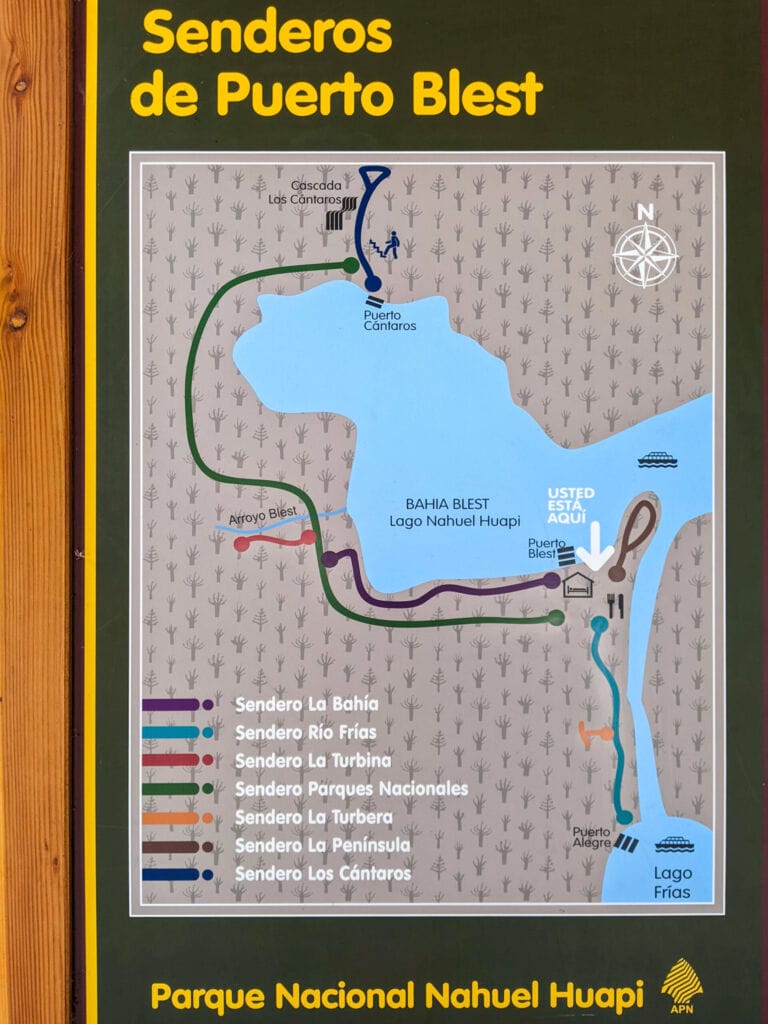
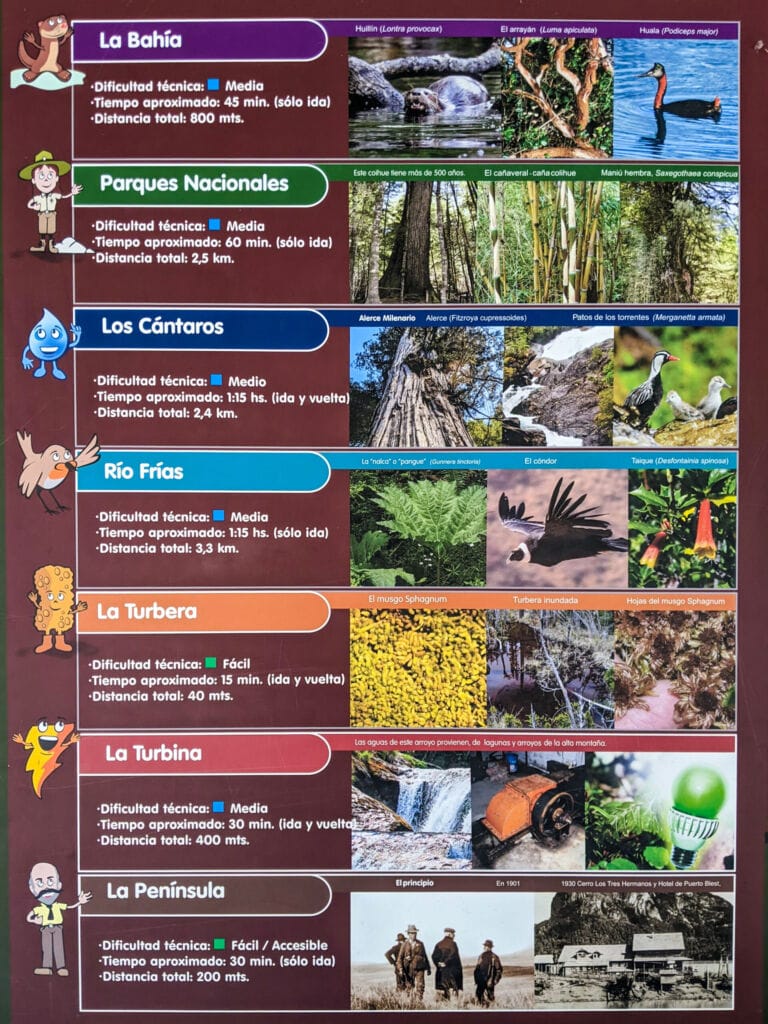
So here’s a recap of the trails you can hike in and around Port Blest:
La Bahía
The trail follows the bay and it’s the perfect way to enjoy the lakeside landscapes of Puerto Blest.
- Difficulty: Moderate
- Time: 45 minutes, one way
- Distance: 800 metres
Parques Nacionales
This trail connects Puerto Blest with the trail to Los Cántaros, and it goes through the Valdivian forest.
- Difficulty: Moderate
- Time: 60 minutes, one way
- Distance: 2.5 km
Los Cántaros Waterfall
This is the most famous hiking trail in Puerto Blest. It starts at Puerto Cántaros dock and has a boardwalk with 700 steps that lead you up to the waterfall.
- Difficulty: Moderate
- Time: 1 hour 15 minutes, round trip
- Distance: 2.4 km
Río Frías
This particular trail follows the Frias River, so you get some nice viewpoints of the emerald waters along the way.
- Difficulty: Moderate
- Time: 1 hour 15 minutes, one way
- Distance: 3.3 km
La Turbera
On this trail, you’ll follow a boardwalk that goes into a bog, where the earth is spongy and humid. Just remember, no walking on the bog as it’s a very fragile ecosystem!
- Difficulty: Easy
- Time: 15 minutes, round trip
- Distance: 40 metres
La Turbina
This hike leads you to the hydroelectric turbine that has been supplying the area for the past 20 years.
- Difficulty: Moderate
- Time: 30 minutes, round trip
- Distance: 400 metres
La Península
This is the easiest trail and it’s where you’ll find the BLEST sign with views of Cerro Tres Hermanos.
- Difficulty: Easy / Accessible
- Time: 30 minutes, one way
- Distance: 200 metres
If you’re still unsure if this destination is the one for you, you can read my Puerto Blest or Isla Victoria blog post, where I compare the two and go through the pros and cons. These are the two most popular boat trip from Bariloche.
Where to eat in Puerto Blest
Your food options at Puerto Blest are limited to the Puerto Blest Restaurant and the Puerto Blest Cafe. Alternatively, you can pack a picnic as there are chairs and picnic tables on the peninsula, where you can enjoy the views for free! I would recommend this if you want to plan a budget-friendly visit.

Puerto Blest Cafe
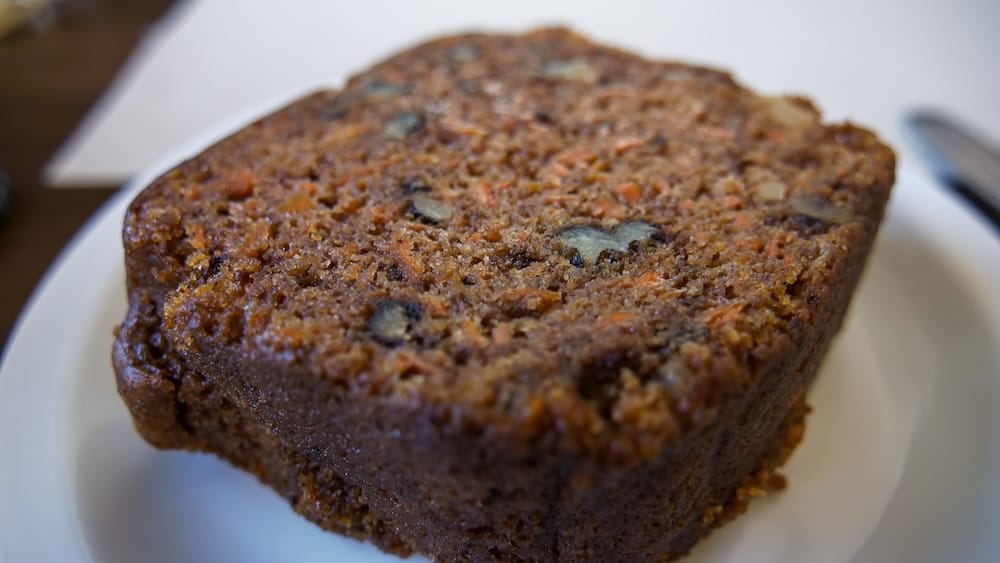
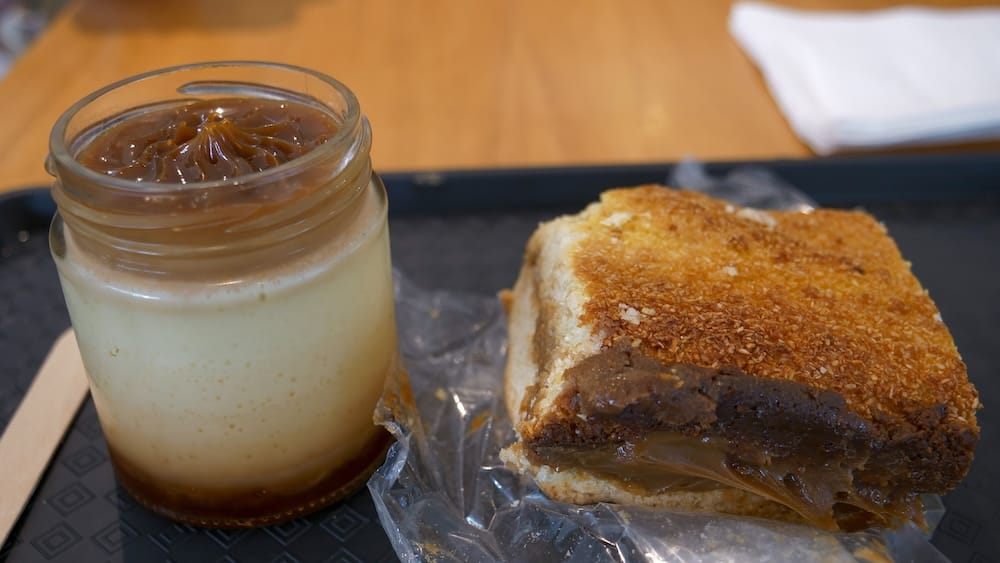
Puerto Blest Cafe is more for quick snacks and an easy meal on the go. We tried their ham and cheese grilled sandwich, a coconut and dulce de leche square, flan, and carrot cake. Yes, we went heavy on the sweets!
While the food was perfectly adequate, we did find the food to be quite overpriced, so that’s something to keep in mind.
I realize this is a remote and hard-to-reach property where all of the food has to be brought in, but for what you get, you’re almost better off eating at the main restaurant, which is just a fraction more for a real meal.
Puerto Blest Restaurant
We had the opportunity to eat at Puerto Blest Restaurant twice.
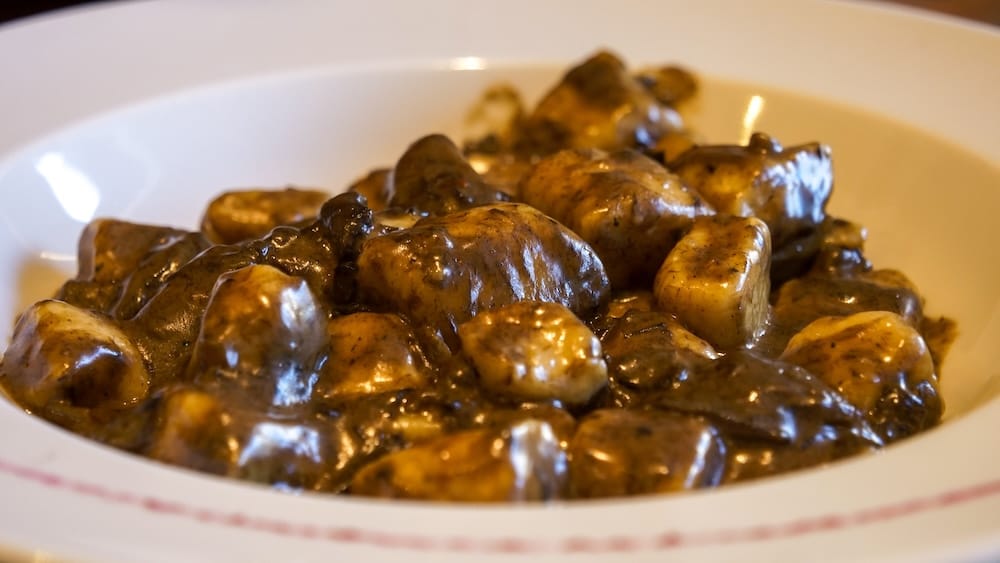
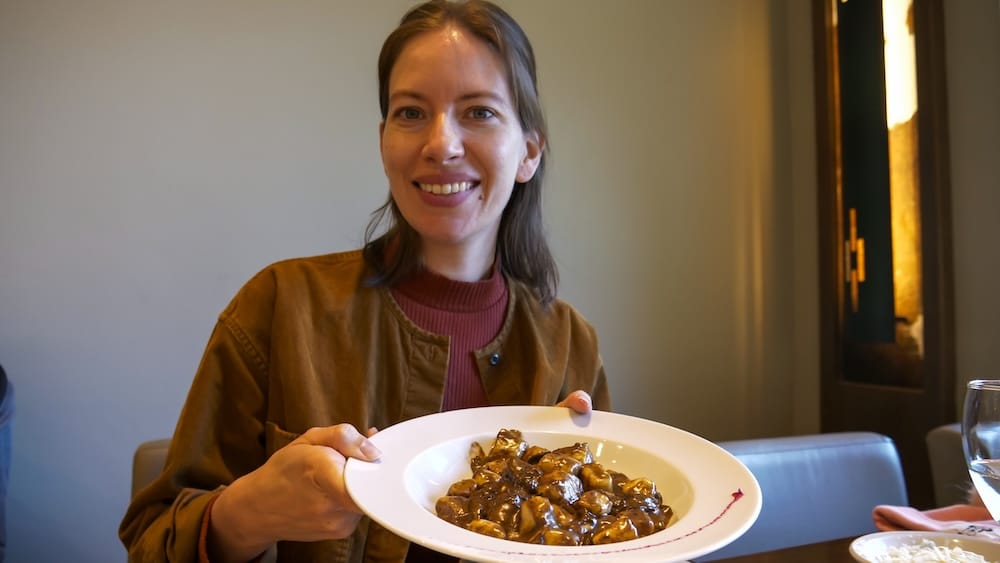
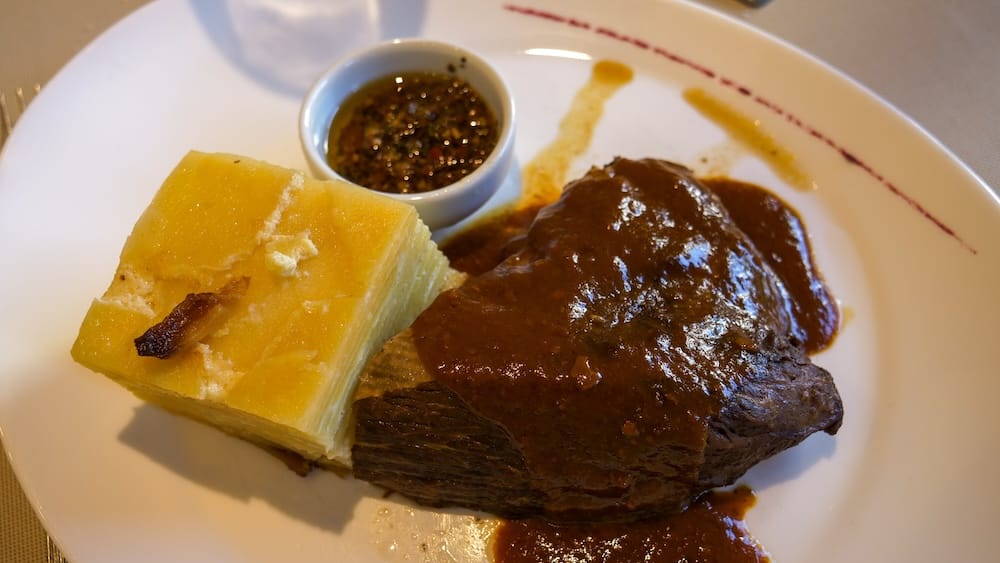
I had a really nice gnocchi with a creamy mushroom sauce, and Sam had stewed beef with potatoes.
It was a really tasty meal, and we also loved the views of Puerto Blest from the restaurant. The sunlight was hitting the water just right and the lake looked turquoise!
Barranco de Los Huillines
This is another restaurant located about 150 metres from Hotel Puerto Blest.
The restaurant has two spaces: Resto and Picnic. It offers more fast food items like hot and cold sandwiches, salads and desserts. It wasn’t open during our visit, so we didn’t get to try it. It’s used for special events with bigger crowds.
Puerto Blest: Day Trip or Stay the Night?
So now that you know what the trip is all about, it’s time to decide: should you visit Puerto Blest for the day, or do you want to stay the night?
I would recommend the day trip if your time in Bariloche is limited and there are other day trips and activities that you really want to squeeze in. A day tour is perfectly adequate to enjoy Puerto Blest and see the main sites. Plus, you also get to enjoy the catamaran journey there and back, which is a real treat.
Staying the night at Hotel Puerto Blest is a nice way to splurge at the end of your stay in Bariloche, if you have the time. It’s also a nice way to immerse yourself in nature and relax. This is a place with no distractions! If you want to hike trails that are virtually desolate and untouched, then give yourself a day or two. We only spent one night here, but I’m already thinking I’d love to come back a different time of year!
More Bariloche guides
- Things to do in Bariloche, Patagonia
- Bariloche 2-Day Itinerary
- Bariloche Day Tours You Won’t Want to Miss
- Guide to Bariloche’s Circuito Chico
- When is the Best Time to Visit Bariloche
- Guide to Bariloche’s Artisanal Chocolate
- Luxury Hotels in Bariloche Worth the Splurge
- Guide to Bariloche’s Craft Breweries
- Bariloche Walking Tours to Discover the City
GROUP TOURS – If you’d rather join a group tour to travel in Argentina, check out Gadventures.
CAR RENTAL – To explore Argentina beyond the cities, the best way to do so is by renting a car. Discover Cars offers rentals across the country.
BUS TICKETS – Bus travel is a great way to see Argentina. BusBud offers numerous routes.
TRAVEL INSURANCE – Don’t leave on your trip without booking travel insurance. You can get a quote on SafetyWing.
HOTELS – Booking.com offers accommodations to suit all budgets and travel styles.
TOURS – For a variety of tours and activities, have a look at Viator.