
Did you know that you can travel across the Andes Mountains from Argentina to Chile, via a series of buses and boats, on an epic journey known as the Cruce Andino?
I certainly did not until last year, and once I learned of this trip, I became obsessed with it! So, when Sam and I were planning our summer Patagonia trip, I made sure to plan it all around this Andean Crossing.
This journey is the opposite of convenience. If it was efficiency we were after, we could have taken a bus from Bariloche to Puerto Varas and been there in a matter of hours. But the appeal of this trip was slow travel and taking the time to journey through the Andes via a spectacular chain of lakes, forests and mountain passes using a combination of boats and buses.
Having travelled extensively around Patagonia over the years, I can confidently say this is one of the most memorable journeys we’ve done in the region.
And the best part is that we actually did the Cruce Andino twice: first travelling from Bariloche, Argentina to Puerto Varas, Chile, and then making the entire journey in reverse. Again, we could have taken a bus back, but I wanted to savour the landscapes, and I also figured that if Patagonia gave us rain and clouds one way, we’d have another shot at those mountain and volcano views on the return.
We also did things a little differently from travellers who complete the Cruce Andino in a single day. Since we were travelling with our young daughter, Aurelia, we slowed the journey down and spent one night at Hotel Natura Patagonia in Peulla on the way to Chile, followed by a night at Hotel Puerto Blest on our return to Argentina. That gave us considerably more time to experience these remote places rather than simply passing through them.
In this guide, I’ll take you through the Cruce Andino step by step from Bariloche to Puerto Varas, explain what changed when we travelled in the opposite direction, share what it was like doing the journey with a toddler, and help you decide whether you should cross one way or make the round trip like we did!
Book your 1-day Cruce Andino from Bariloche, Argentina to Puerto Varas, Chile.
Book your 1-day Cruce Andino from Puerto Varas, Chile to Bariloche, Argentina.
Multi-day trips with hotel stays must be booked on Cruce Andino or TuriSur.
About the Cruce Andino
So, what exactly is the Cruce Andino?
Also known as the Andean Crossing, the Cruce Andino is a spectacular 180-kilometre (112-mile) journey across the Andes that connects Bariloche in Argentina with Puerto Varas in Chile. Instead of simply driving across the border, the route combines boat journeys across three Patagonian lakes with four overland sections through the mountains.
The complete journey can be done in either direction and takes approximately 12 hours if you complete it in a single day. However, you can also break up the crossing with an overnight stay in Peulla on the Chilean side and/or Puerto Blest on the Argentine side, which is what we chose to do.
How does the Cruce Andino work?
Travelling from Bariloche to Puerto Varas, the journey looks like this:
Bariloche → Puerto Pañuelo → Lake Nahuel Huapi → Puerto Blest → Puerto Alegre → Lake Frías → Puerto Frías → Peulla → Lake Todos los Santos → Petrohué → Puerto Varas
In practical terms, you’re repeatedly switching between boats and buses as you make your way across the Andes.
The three lake crossings are:
- Lake Nahuel Huapi in Argentina
- Lake Frías in Argentina
- Lake Todos los Santos in Chile
Between them are four overland sections, including the actual international crossing through the Andes between Puerto Frías and Peulla.
This means the Cruce Andino isn’t really a tour where you board one vehicle in Bariloche and sit there until you reach Chile. The constant transitions are part of the experience. You travel by coach, catamaran and 4×4 bus, passing through ports, forests, mountain roads and immigration checkpoints along the way.
The route also links two protected areas: Nahuel Huapi National Park in Argentina and Vicente Pérez Rosales National Park in Chile.
The history of the Andean Crossing
What makes the Cruce Andino even more interesting is that this wasn’t originally created as a sightseeing route.
The Andean Lakes route dates back to the late 1800s, when the Chilean-Argentine business founded by Carlos Wiederhold opened a route across the Andes between what are now Puerto Varas and Bariloche. It was used commercially to transport Patagonian sheep’s wool towards Puerto Montt, from where the wool could continue by sea to Europe.
The route’s evolution into tourism came through Swiss pioneer Ricardo Roth. After the original company encountered financial difficulties, Roth acquired the operation and transformed what had been a transportation route into a tourism business. His tourism company dates to 1913.
So when you do the Cruce Andino today, you’re essentially following a historic transportation corridor across the Andes that existed long before travellers started coming here simply to admire the scenery.
And what scenery it is!
Over the course of the crossing, we went from the deep waters of Lake Nahuel Huapi to the milky glacial colours of Lake Frías, crossed through Valdivian temperate forest, climbed over the Andes, and eventually reached the emerald and turquoise waters of Lake Todos los Santos with views towards volcanoes like Osorno and Puntiagudo.
That’s what makes the Cruce Andino so unusual. It’s transportation, border crossing and sightseeing excursion rolled into one epic journey!
Cruce Andino: Bariloche to Puerto Varas
We did the Cruce Andino round trip travelling from Bariloche to Puerto Varas, and then returning from Puerto Varas to Bariloche.
We could have easily flown or taken a bus back, but I had a feeling the scenery was going to be pretty epic, so why not enjoy it there and back?
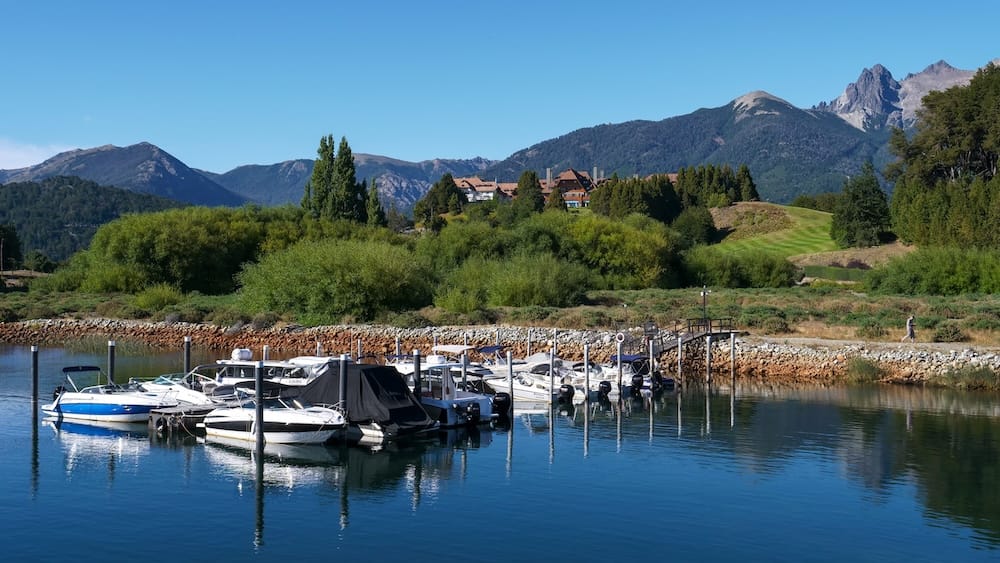
Bariloche to Puerto Pañuelo
30-minute bus ride
Our Cruce Andino journey started in Bariloche, Argentina. We flew in two days before our tour started, because the Andean Crossing is the trip of a lifetime and I wanted to make sure we didn’t miss it due to bad weather or a delayed flight.
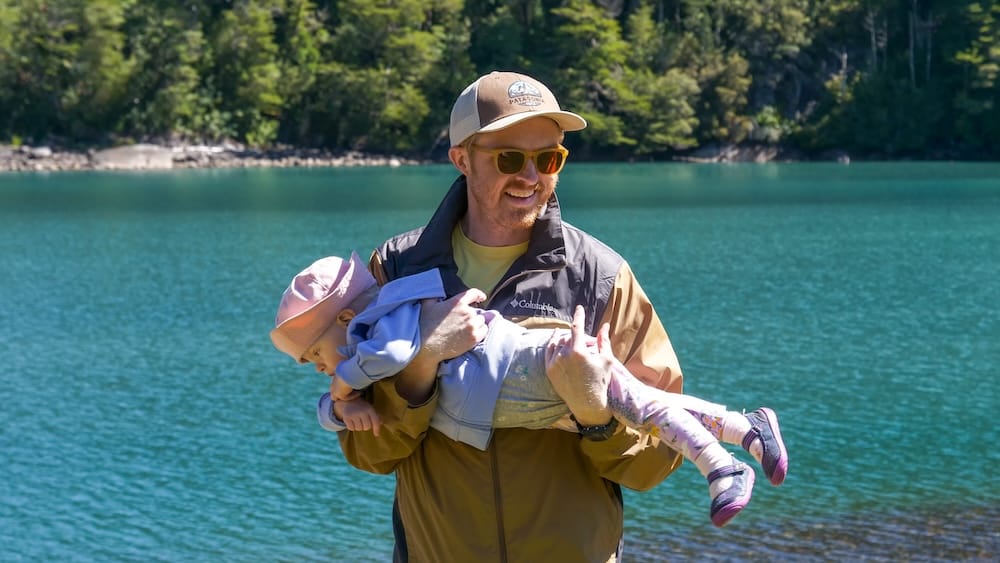
Though we have travelled to Bariloche many times over the years, this was our first time visiting with our daughter in tow, so we planned a light toddler-friendly itinerary.
On the morning of our Cruce Andino tour, we met in front of the TuriSur office. They offer pickups at a few hotels across Bariloche, however, I had purposely booked a hotel that was just a block and a half from their offices.
We dropped off our luggage, had it tagged for the journey, and then boarded a coach bus to begin the drive to Puerto Pañuelo.
Puerto Pañuelo to Puerto Blest
1-hour boat ride
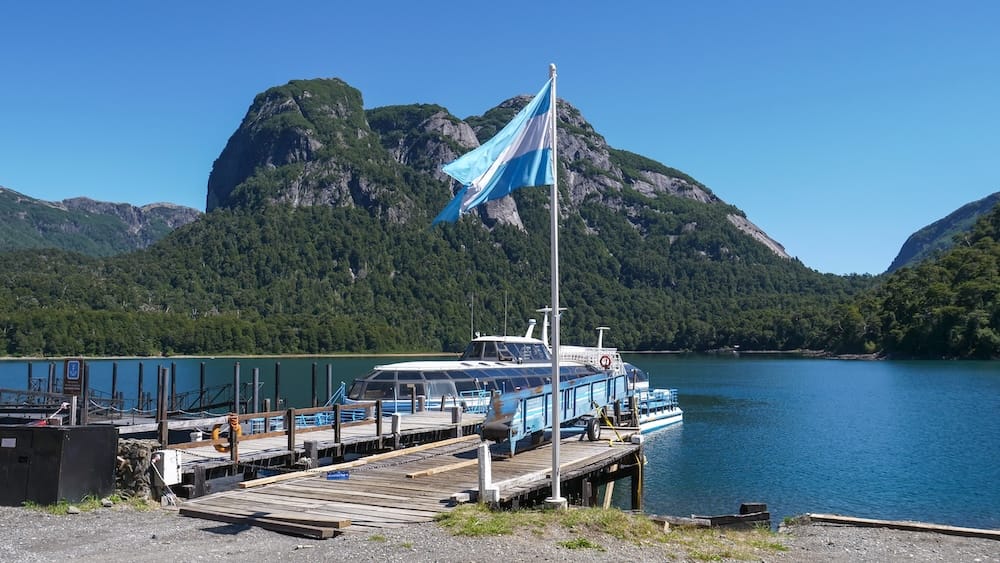
Puerto Pañuelo is the port where Bariloche’s boat excursions depart from. This includes Cruce Andino, but also the day trip to Puerto Blest and Isla Victoria.
Once we arrived at the port, we had to pay our embarkation fee ($5 USD per person). We did not have to pay the fee to enter Nahuel Huapi National Park since we were in transit towards Chile.
It was very busy at the port, so I understand why they say it’s important to arrive an hour before embarkation time. We needed it! We even had to be pulled out of the queue because we were some of the last people to board the catamaran.
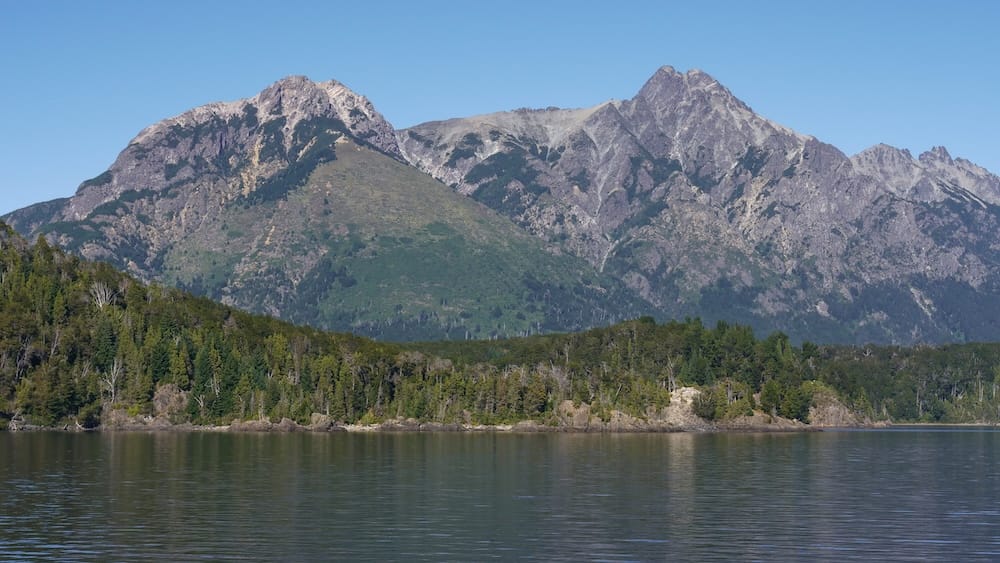
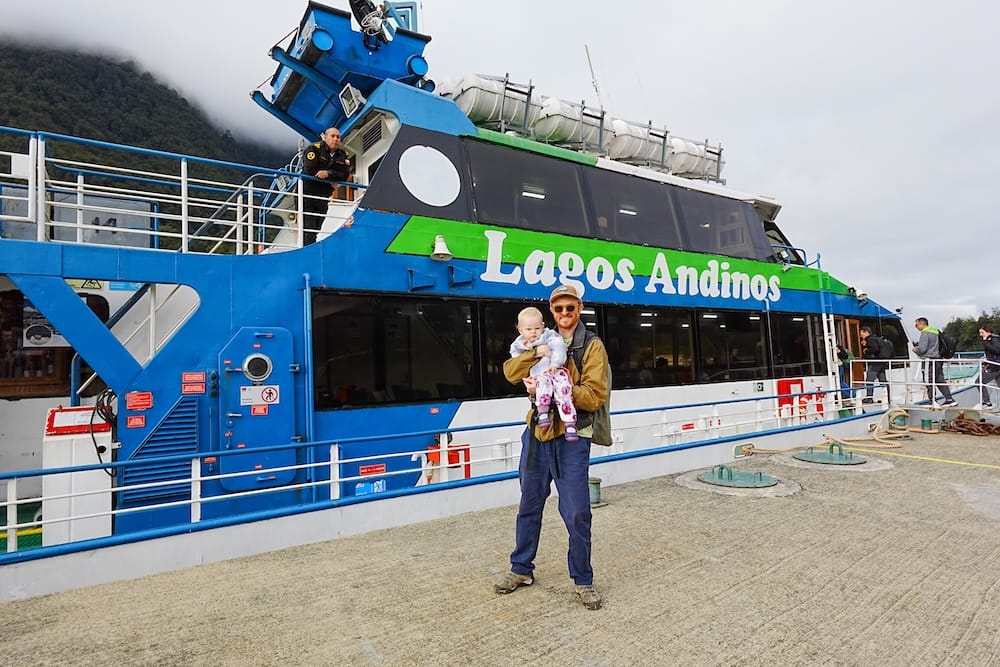
We then spent 1 hour travelling west as we cruised Lake Nahuel Huapi and enjoyed the scenery, which was epic, by the way. We lucked out with incredible weather, so we had clear forest and mountain views in all directions, and the mountains kept getting larger the further we travelled.
At one point, we went past Isla Centinela, the island where the remains of Perito Moreno were laid to rest. He was the father of Argentina’s national parks, and he even has a glacier named after him in Los Glaciares National Park. The captain blew the horn three times as we sailed past the island as a way of honouring his memory.
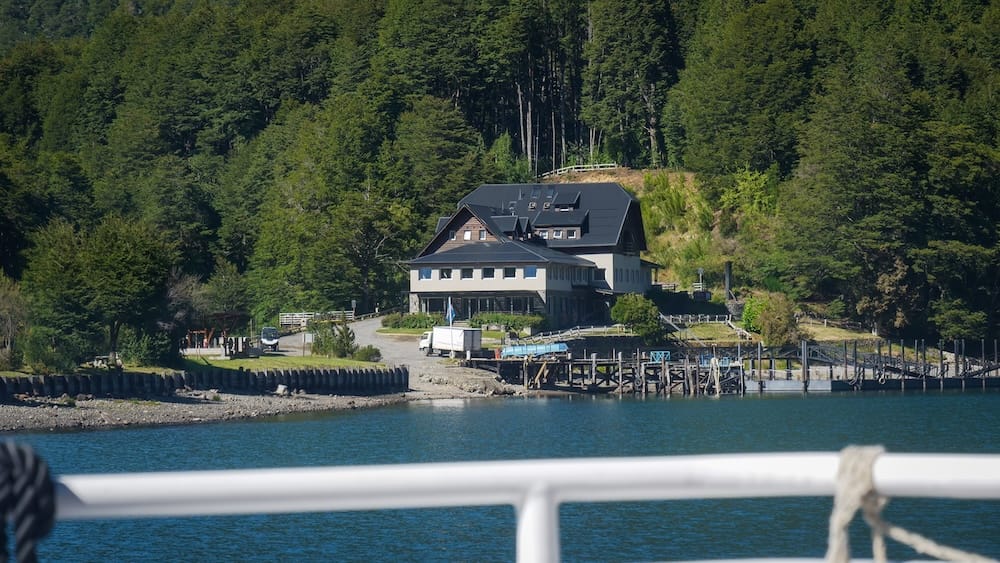
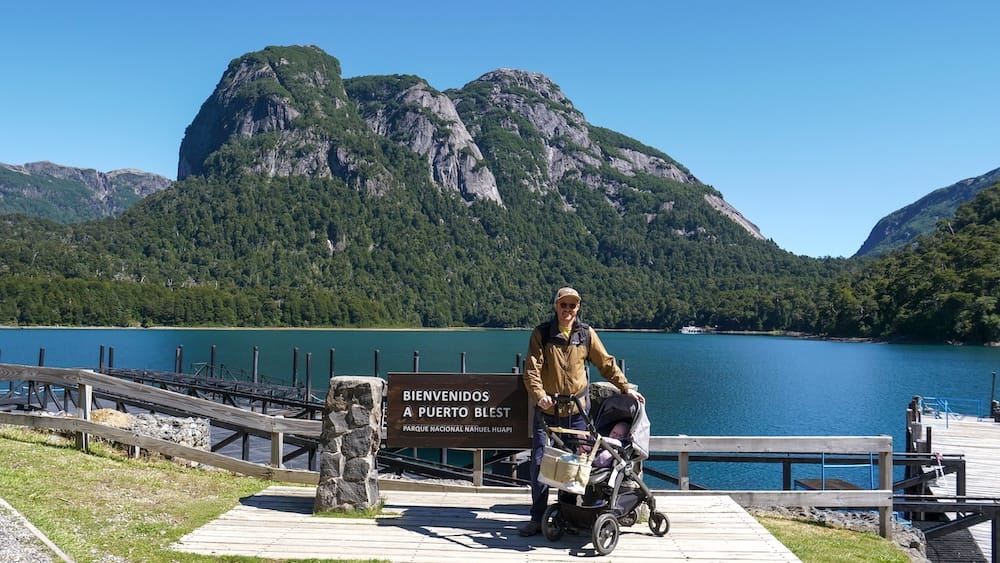
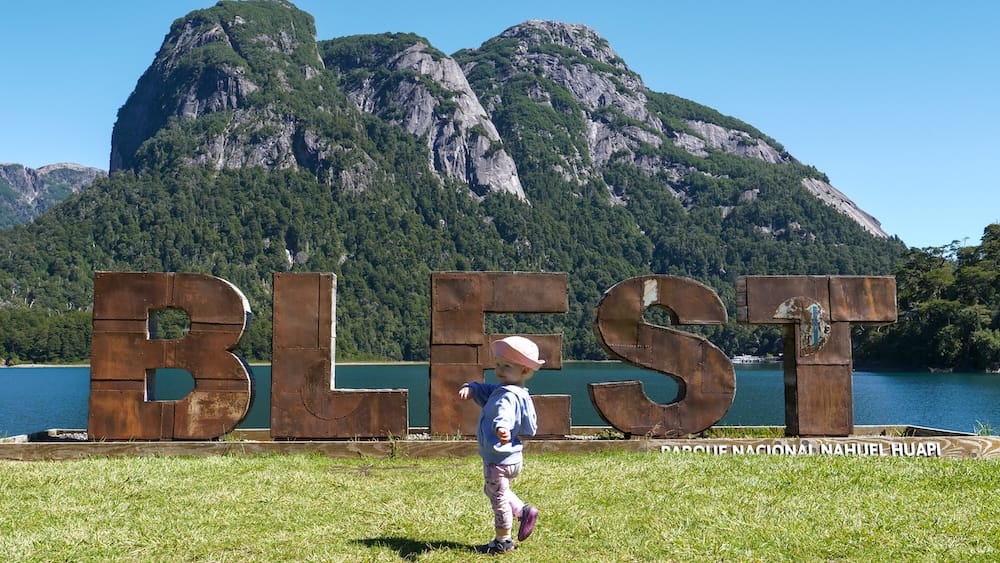
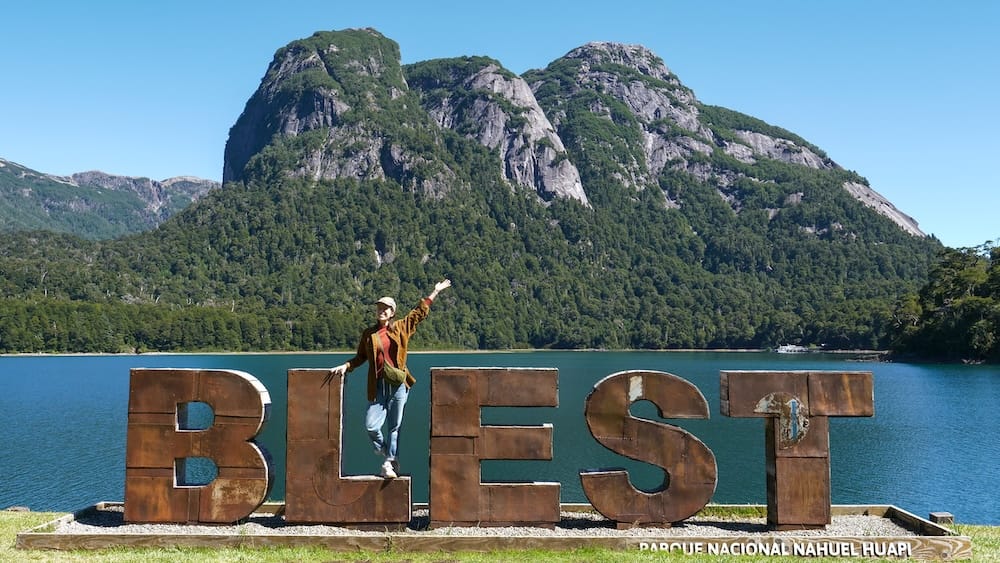
At last, we reached the end of the Blest Arm of Lake Nahuel Huapi, and as we turned the final bend, we saw Puerto Blest.
We had a bit of free time to enjoy the destination, and since it was right around lunchtime, we made our way to the restaurant at Hotel Puerto Blest. The hotel is located on the second floor and has incredible lake views. Each window looked like a painting with the turquoise waters glittering.
For lunch, we had the gnocchi in a mushroom sauce and the stewed beef with potatoes. Both dishes were delicious!
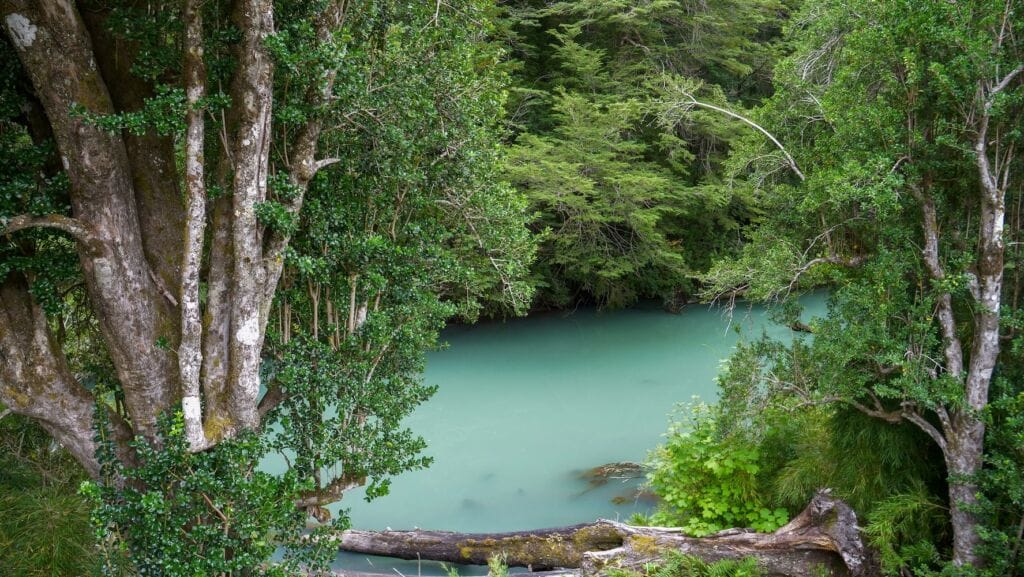
We also spent a bit of time enjoying the peninsula where the Frias River and Lake Nahuel Huapi meet. This is a really cool photo spot because you can see the river’s milky turquoise waters (which have glacial sediment) mixing with the lake’s much darker waters.
We passed through Puerto Blest on a day visit, but we spent the night here at Hotel Puerto Blest on the return journey, so we got the full experience.
Puerto Blest to Puerto Alegre
15-minute bus ride
We then boarded a bus to travel from Puerto Blest to Puerto Alegre. This was the shortest leg of the journey.
We drove on a gravel road that winds through the forest following the Frías River.
Puerto Alegre to Puerto Frias
15-minute boat ride
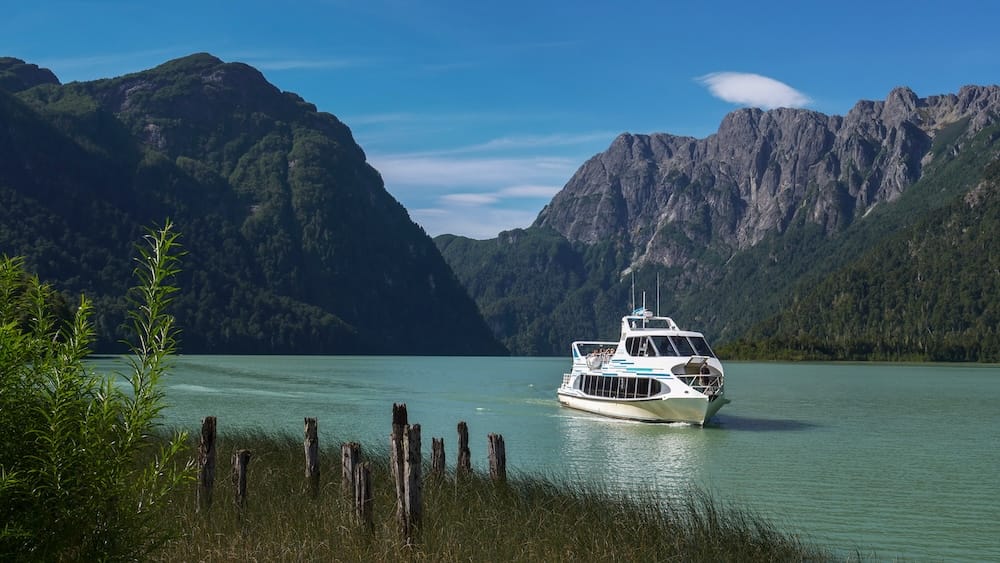
Once we disembarked in Puerto Alegre, we boarded a smaller catamaran to cross the length of Lake Frias.
This was the shortest lake crossing of the Cruce Andino, but it was quite special. Lake Frias has a milky teal colour due to the sediments that flow down from the glaciers on Cerro Tronador.
I wish this part of the journey could have been even longer, because it really was stunning.
After cruising Lago Frias, we disembarked at Puerto Frias, and here we had a bit of time before going through immigration and crossing over into Chile.
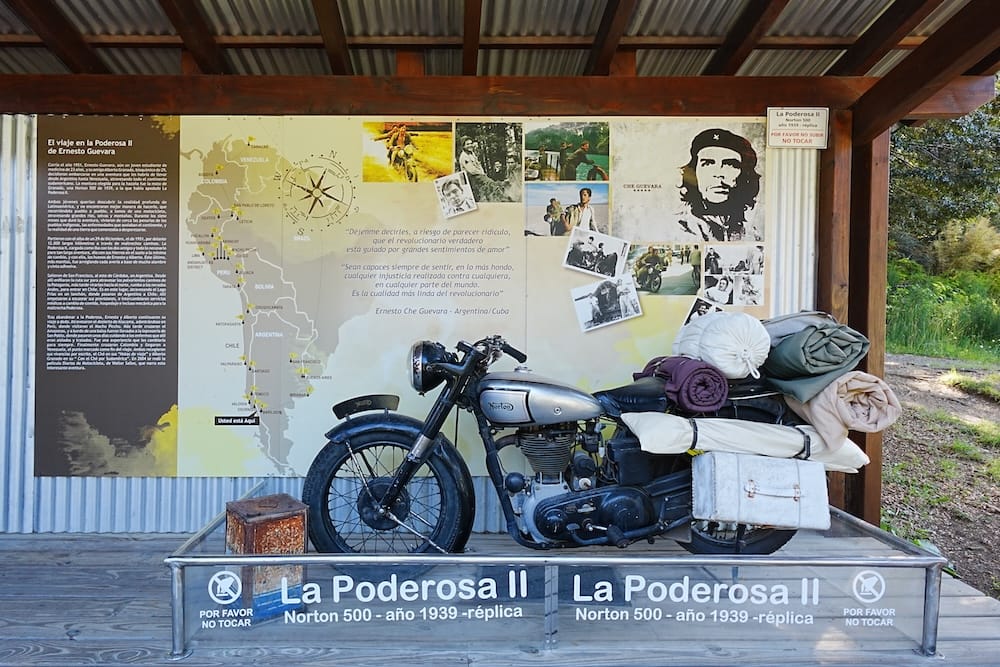
The main attraction here is the replica of Che Guevara’s La Poderosa II, a 1939 Norton 500 motorcycle that he rode on his 1952 trip across South America. He crossed at this very checkpoint, so there’s an info board with a bit of history, photos and an outline of his route.
There’s a small parador or cafe where you can buy drinks and snacks, but we found everything quite overpriced at the time of our visit.
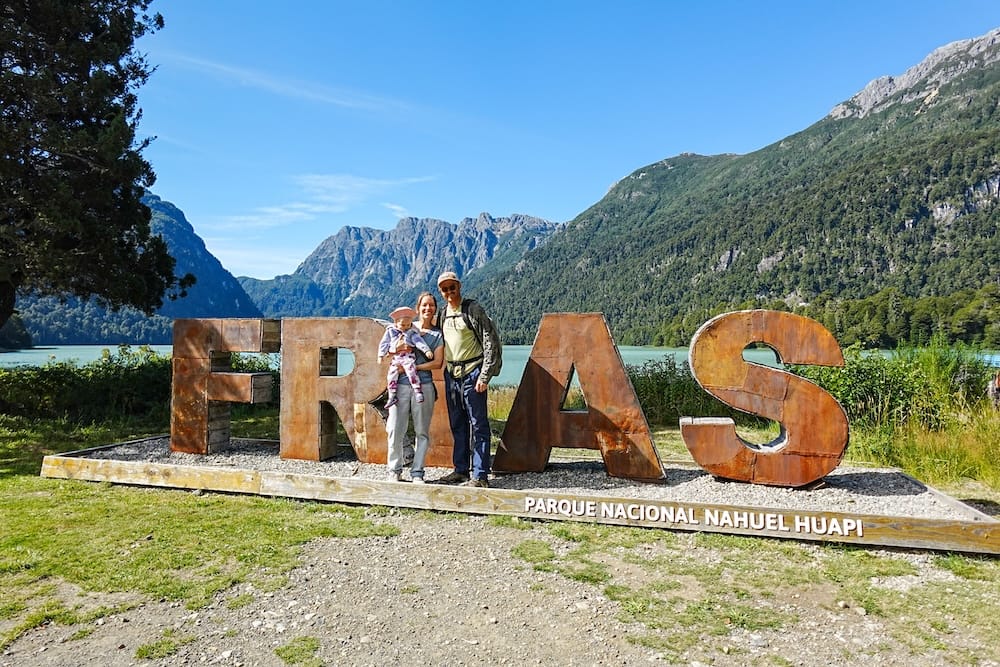
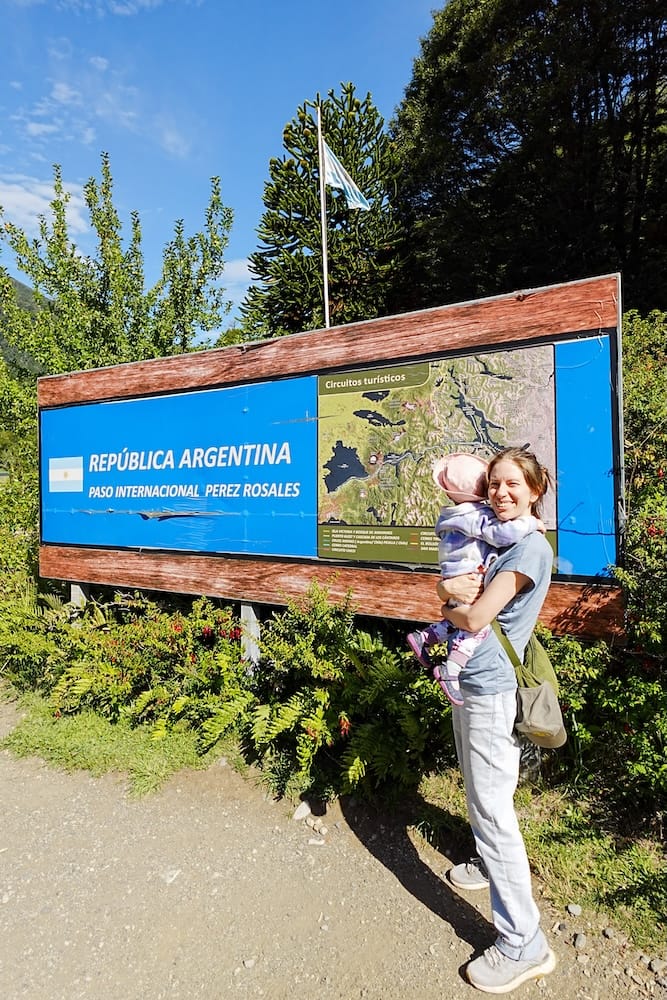
We snapped a few photos at the FRIAS sign, enjoyed the scenery, and before we knew it, it was our turn to go through immigration at the Perez Rosales International Border Crossing.
Here we were stamped out of Argentina, and then we boarded a bus to drive into Chile.
Puerto Frias to Peulla
1-hour bus ride
The drive from Puerto Frias to Peulla was beautiful, and I would say the wilder part of the entire Andean Crossing.
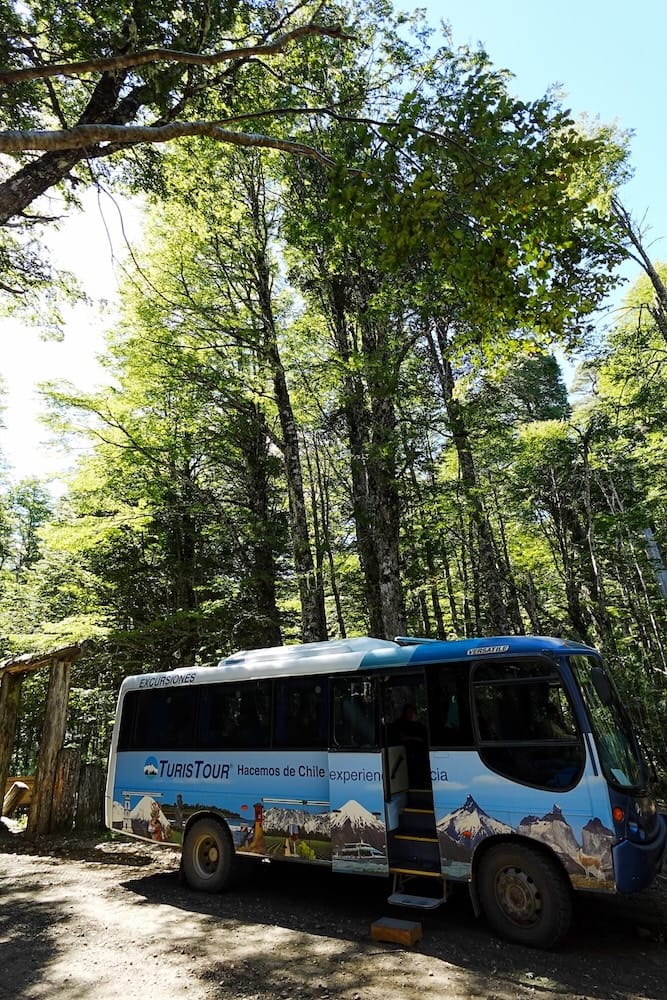
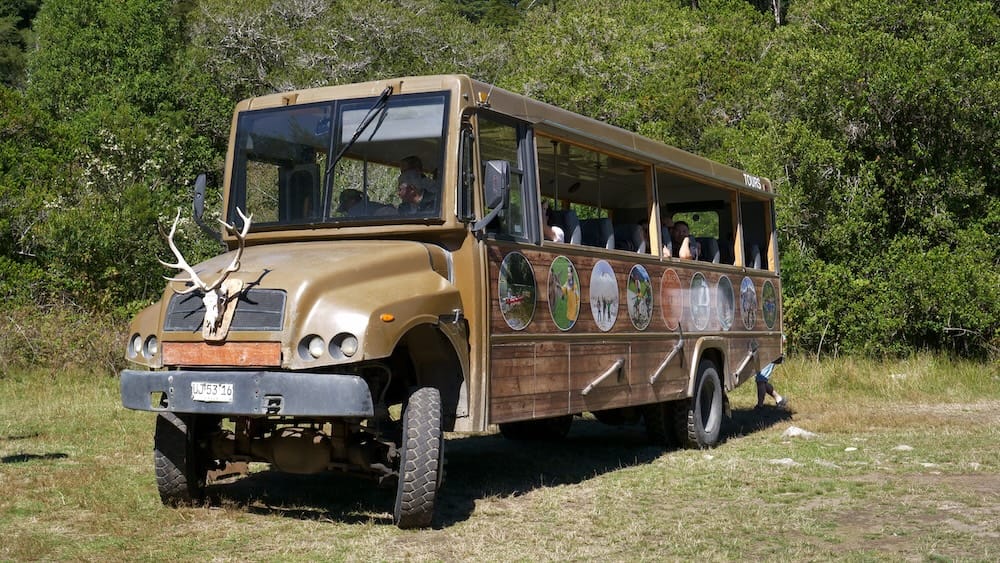
We boarded a 4×4 bus to complete the highest part of the journey. This involved an ascent along a winding gravel road that crossed the Valdivian Forest, and then a descent on the other side of the mountain pass.
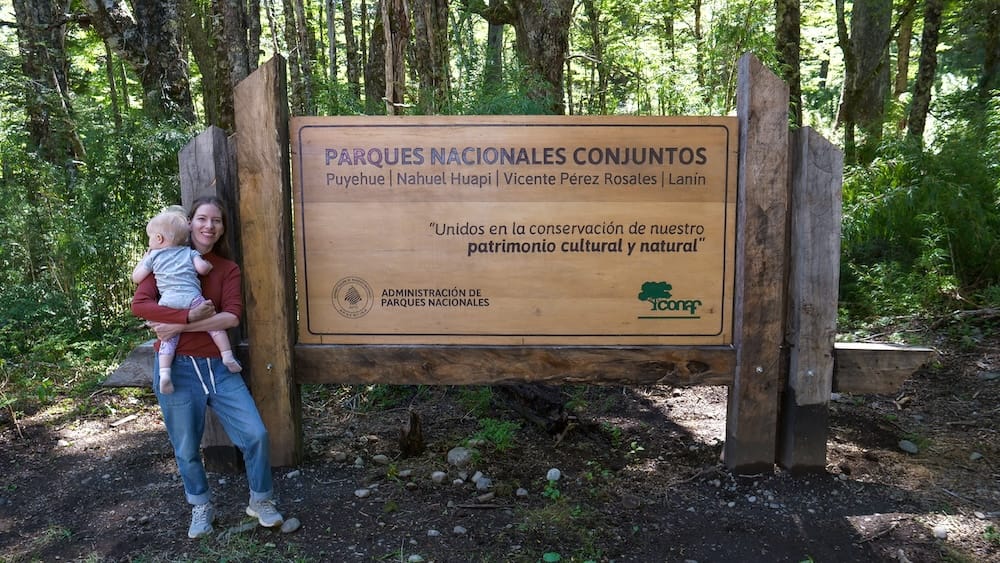
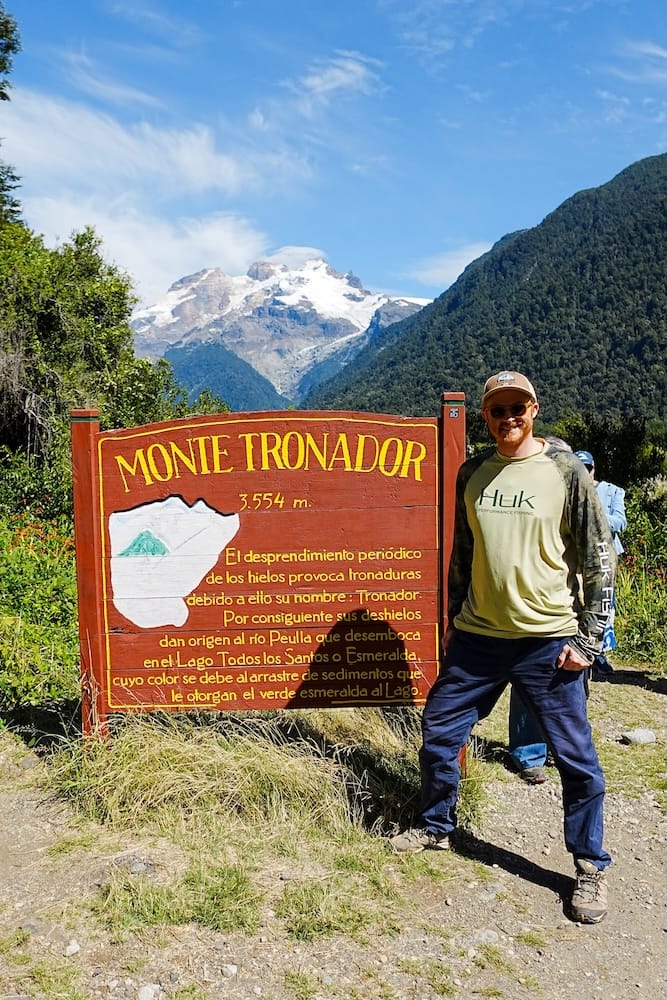
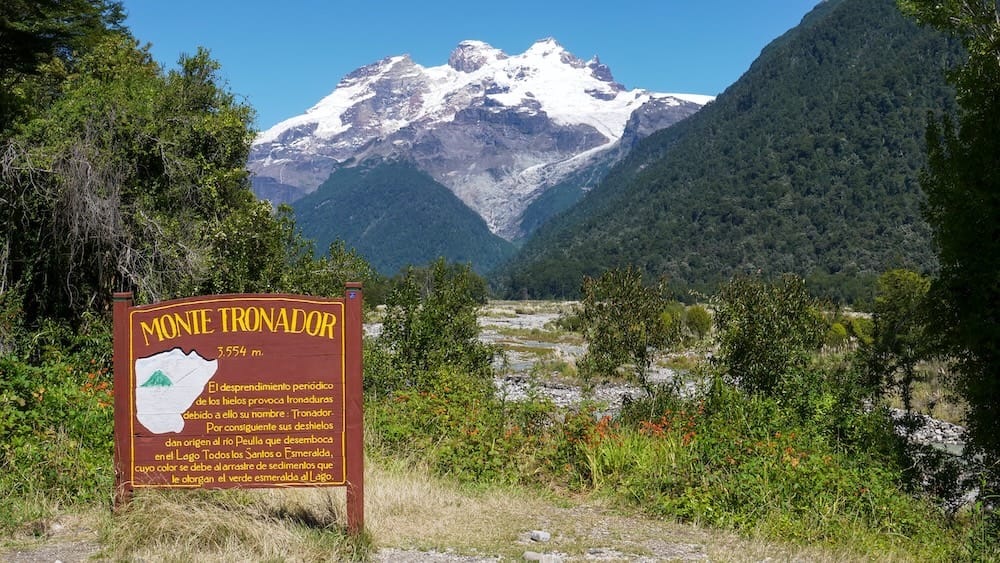
We made two stops on this leg of the journey: one to pose next to the Vicente Pérez Rosales National Park sign, and another at the Mount Tronador viewpoint. Mount Tronador translates to ‘Thundering Mountain,’ and it gets its name from the ice calving that roars and sounds like thunder.
The journey was bumpy and beautiful and put our baby right to sleep. We didn’t get to see pumas, though there were signs indicating their presence, but it was a nice introduction to the vegetation of the Valdivian Forest.
The final stop of this leg of the crossing was in Peulla, where we stopped at Chilean immigration, had our luggage checked, and were stamped into Chile. Once we completed that process, we walked over to our accommodation for the night: Hotel Natura Patagonia.
While you can do the entire Andean Crossing in one day, we wanted to break up the journey and enjoy the scenery, which is why we spent a night in Peulla on the way there, and a night in Puerto Blest on the way back.
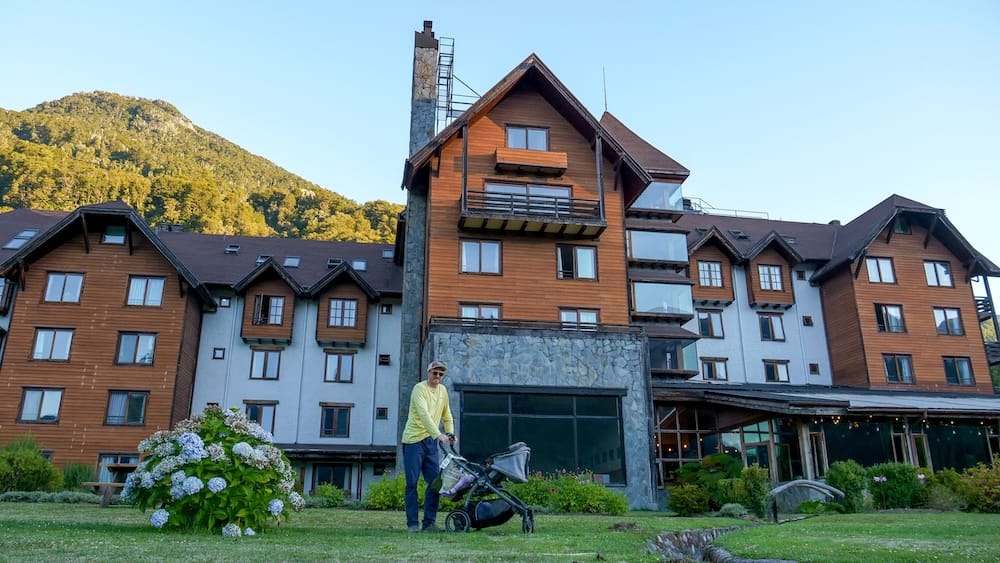
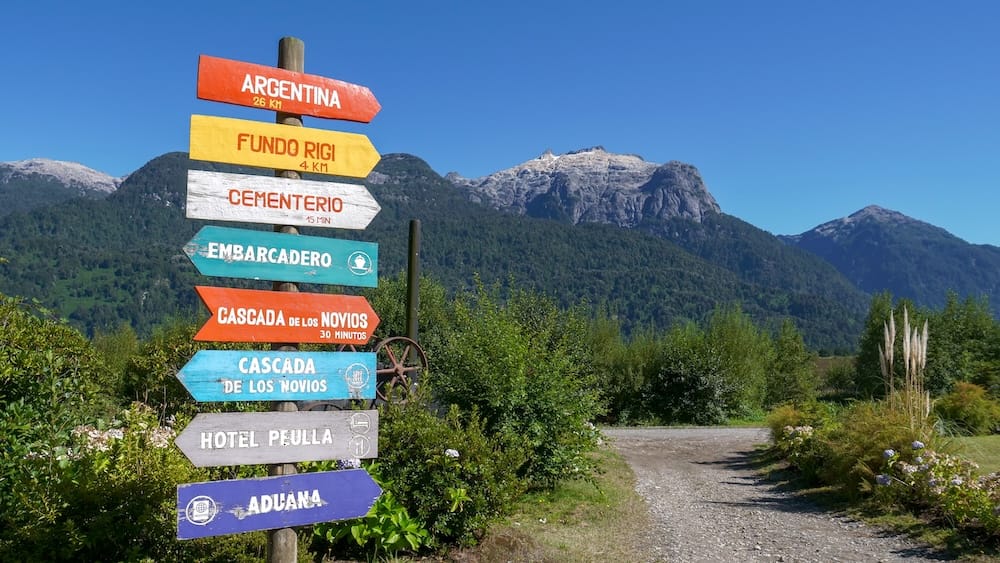
Hotel Natura Patagonia in Peulla
Optional 1-night stay
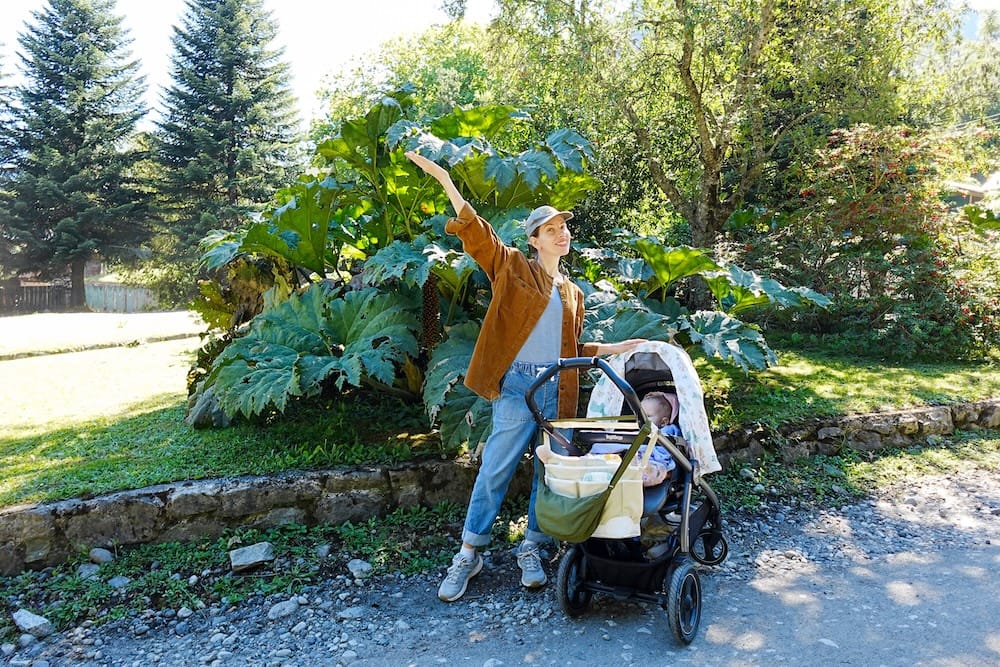
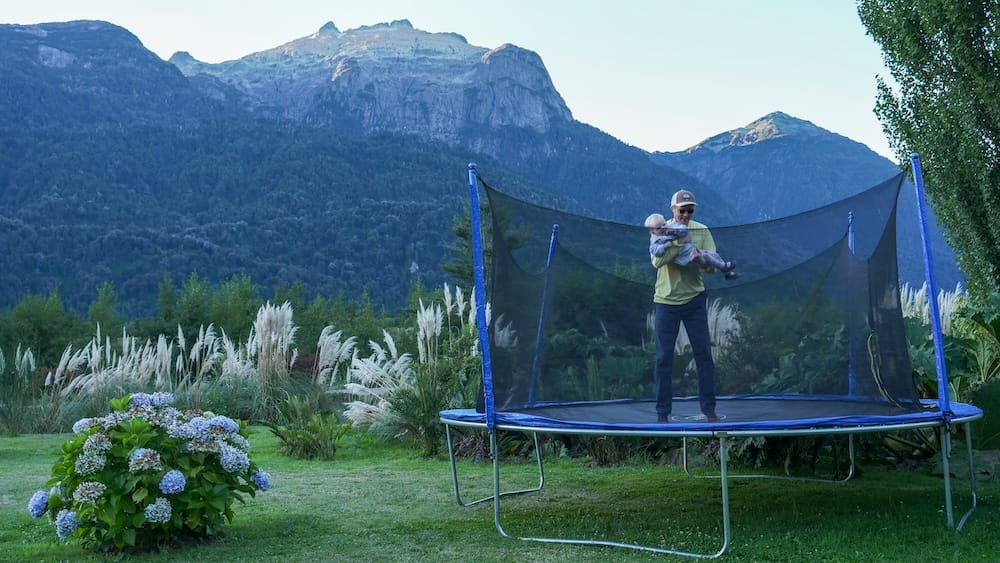
Peulla is a small eco village set in the middle of Chile’s Vicente Pérez Rosales National Park, and Hotel Natura Patagonia sits in a beautiful valley surrounded by mountains and Valdivian forest. It’s an area that gets a lot of rain, and we could not believe the size of some of the plants – they looked like something straight out of a Jurassic Park movie!
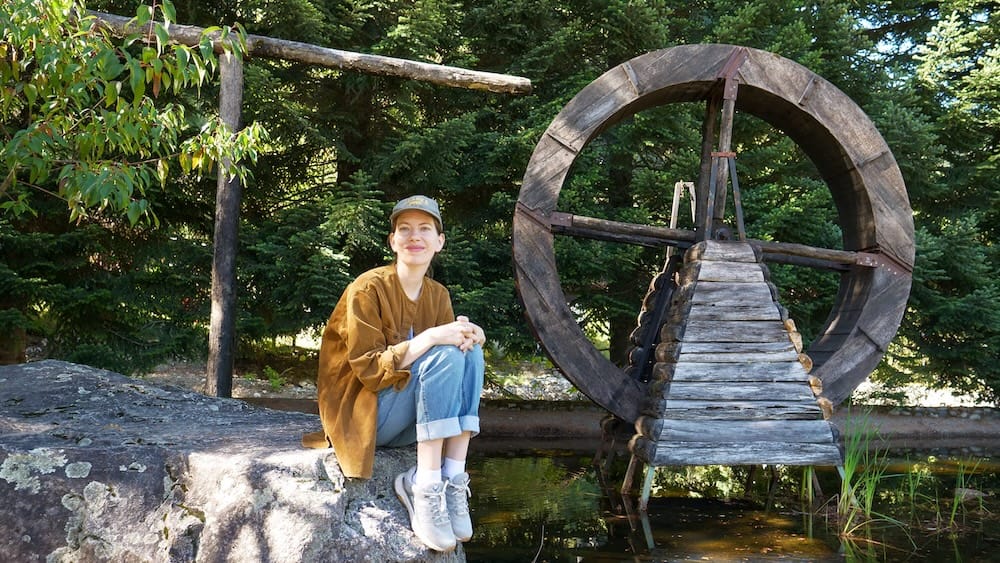
We opted for just 1 night at Hotel Natura Patagonia, but in retrospect, we could have easily spent 2 nights here because there is a lot to do! There are multiple hikes, waterfalls, ziplines and wetlands to explore. We mainly enjoyed the gardens, strolled some of the easier trails, and let our girl bounce on the trampoline.
During our stay in Peulla, we signed up to do the safari tour, sometimes also called the photography tour, and boarded an off-road vehicle that took us on a bigger adventure than we planned!
We first stopped at a little farm to visit the animals. There were chickens, ducks, peacocks, goats, pigs, llamas, donkeys and more! Our girl was still a bit young to fully enjoy this activity, which also happened to coincide with her nap, so I ended up walking back to the vehicle for her to sleep, but this would be a really nice activity if you’re visiting Peulla with kids.
Then, it was time to cross the Rio Negro aboard our 4×4 bus. I’ve got to tell you, this activity is not very suitable for babies or toddlers, but we didn’t know what we had signed up for, so we were bouncing in our seats on the back of the bus. Picture a bus with no windows, our experienced driver doing tricks and zooming across the river’s many arms, and me gripping my baby as tight as possible. It felt a lot like a rollercoaster! So you’ve been warned, this is more for those seeking adventure or travelling with slightly older children.
The next part of the tour was a boat trip on the Rio Negro. I ended up skipping this activity and stayed back on the bus with the baby, while Sam hopped aboard. This was the right move as it was an extremely hot day and there was no shade at all on the river.
That was the safari excursion! From there, we returned to Peulla, directly to the port, to resume the Andean Crossing.
Peulla to Petrohué
1 hour and 45-minute by boat
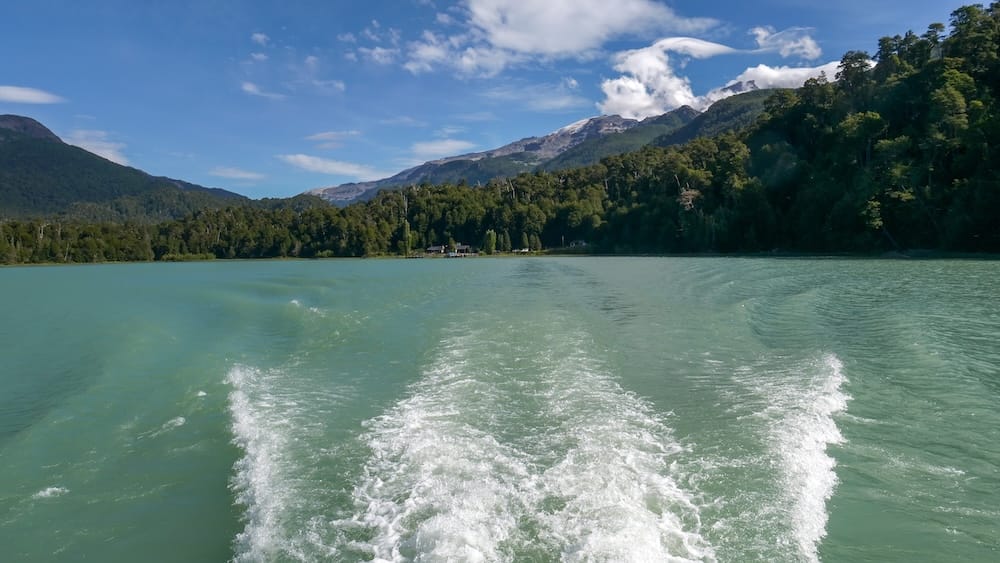
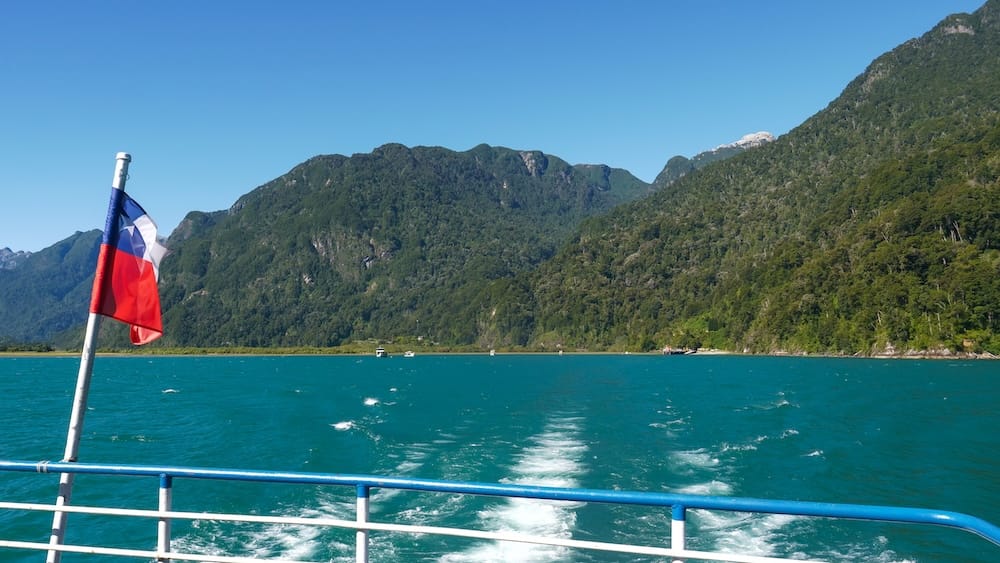
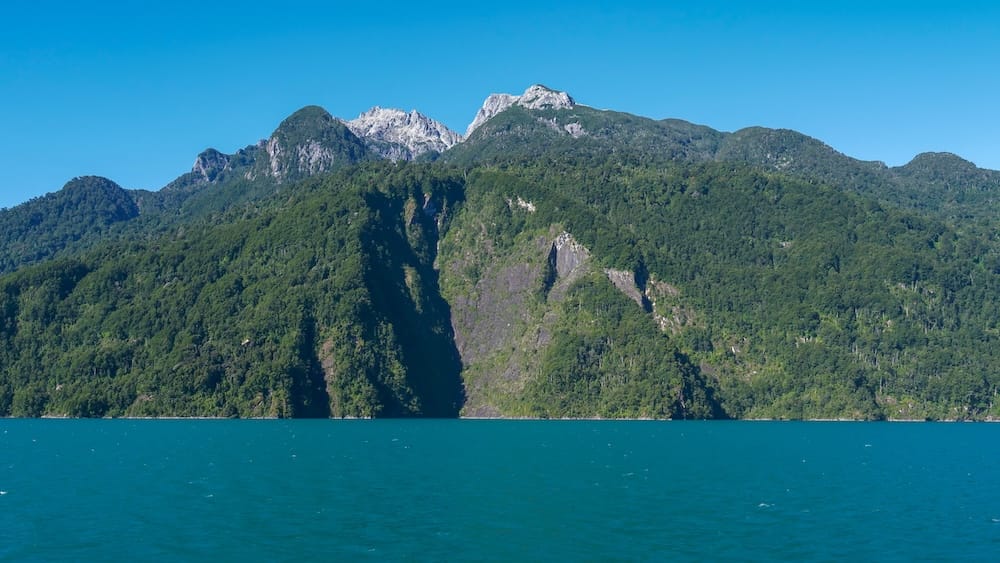
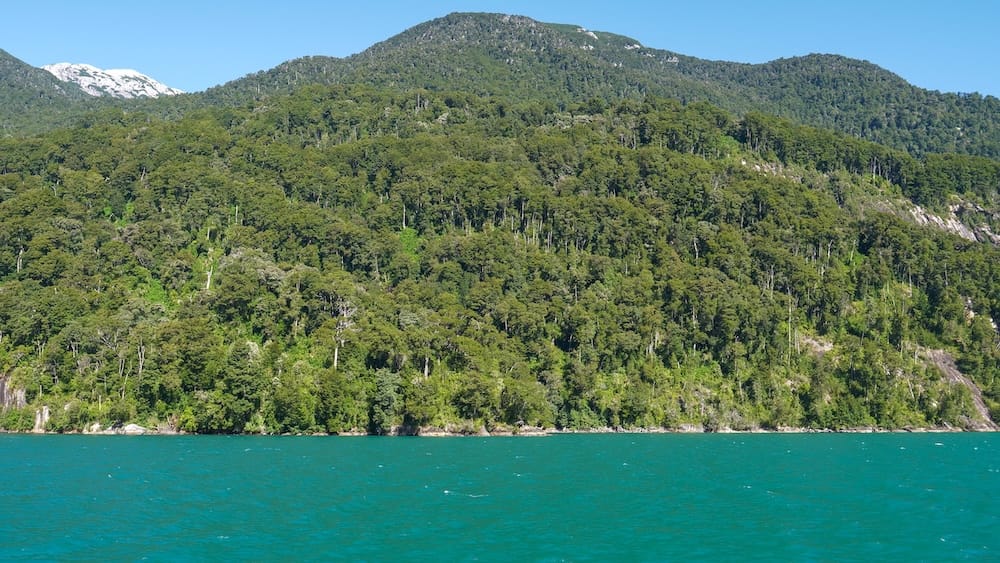
The cruise from Puerto Peulla to Petrohué was the longest boat ride of the Cruce Andino, but it was epic! On this leg of the journey, we cruised the full length of Lago Todos los Santos and got to see volcanoes!
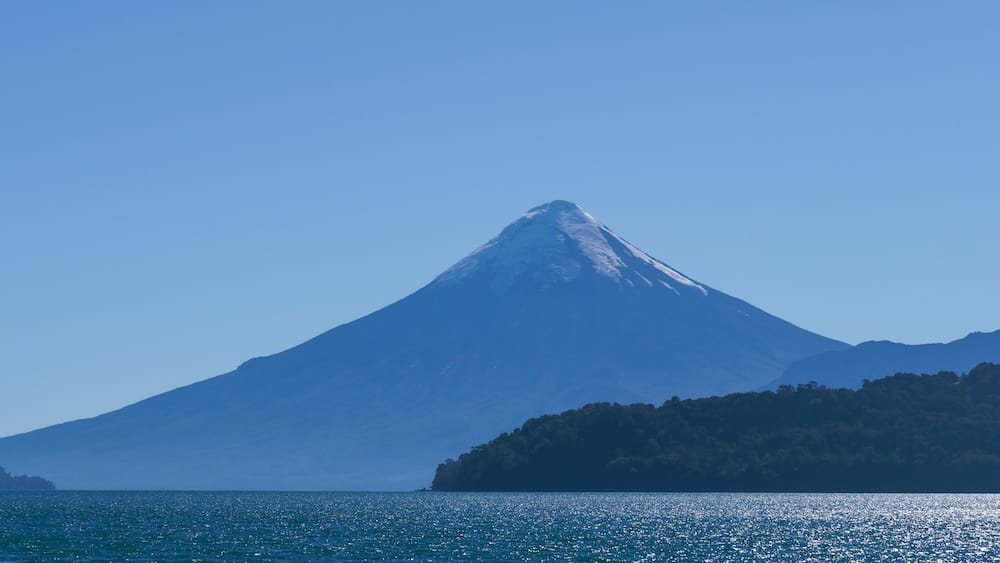
Volcanoes were not something I was expecting at all, so you can imagine my surprise when they popped into view. Halfway into our journey, we got to see Volcán Osorno, a 2,652-metre conical volcano that looks like Chile’s version of Mount Fuji.
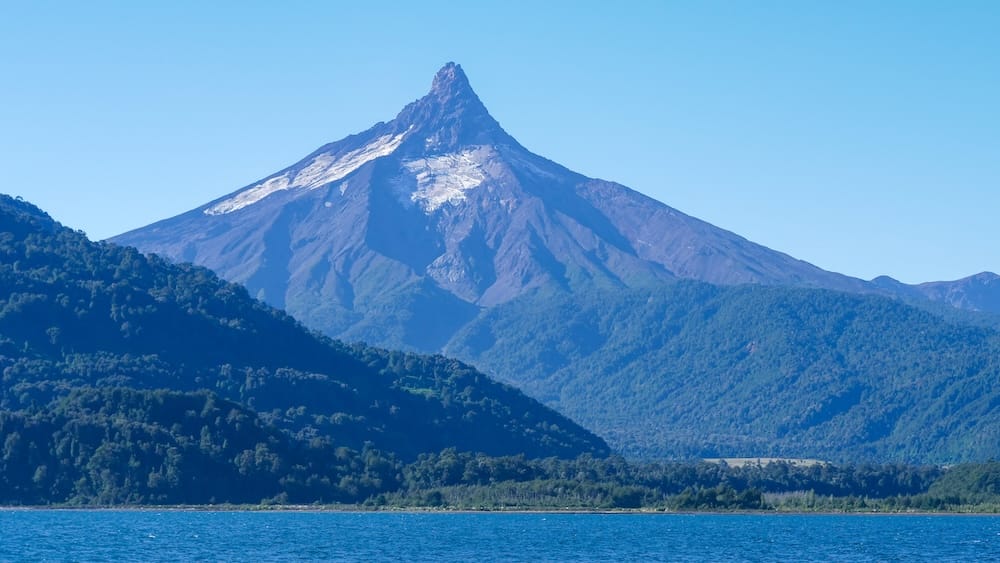
And then we saw Volcán Puntiagudo, which literally translates to ‘pointy volcano’ and describes it quite accurately as it has a very sharp point. This volcano stands 2,493 metres tall.
It was a hot summer day when we did this crossing, so the boat’s side doors were kept open to let the cool breeze flow.
Petrohué to Puerto Varas
1-hour bus ride
We had a bit of a funny experience with our arrival in Puerto Varas, Chile. Because we just so happened to arrive during Semana Puertovarina, a 3-day celebration for the foundation of the town, the entire downtown area was shut down to traffic. That meant that our bus could not reach the drop-off point, save for one hotel on the drop-off list.
That meant we got dropped off about 1 kilometre from the Cruce Andino offices and had to walk into town. It was an adventure with luggage, a car seat and a stroller, but we made it work.
Aside from the rough start, we actually had a great time in Puerto Varas! We stayed for a full week and found it to be the perfect introduction to Chile’s Lake District.
Some of the highlights included a sunset boat trip on Lake Llanquihue, exploring the quirky Martin Fierro Museum, where the walls and ceilings are covered in art and antiques, and hiking up Mount Philippi for panoramic views.
So if you’re planning on doing the Cruce Andino, I would recommend tacking a few days in Bariloche at the start of the trip and a few days in Puerto Varas at the end, or vice versa if you’re doing the journey in reverse.
Cruce Andino: Puerto Varas to Bariloche
Above I’ve outlined the Cruce Andino trip from Bariloche to Puerto Varas, however, we also did the journey in reverse from Puerto Varas to Bariloche. We really wanted to get the full experience and we knew we wouldn’t tire of the scenery!
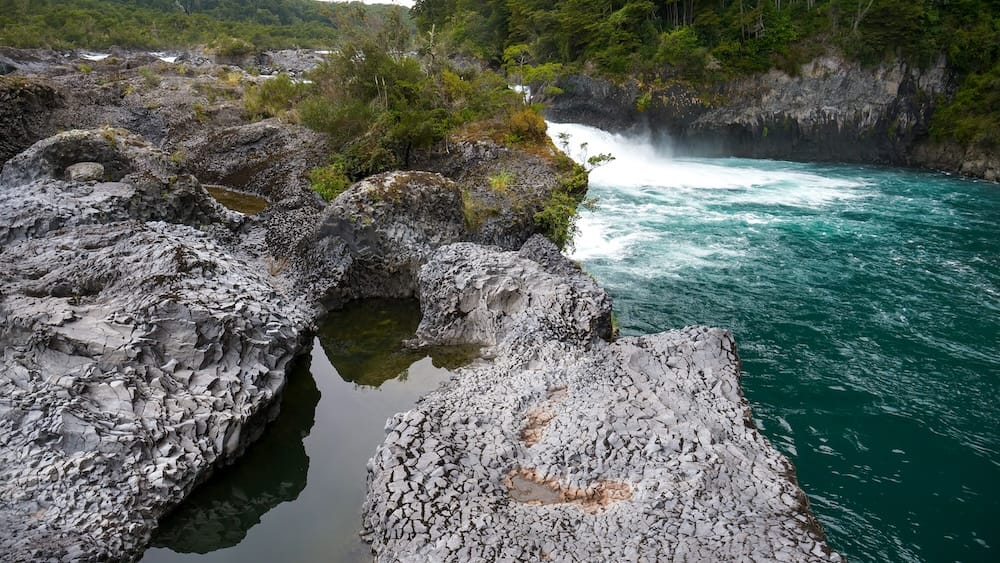
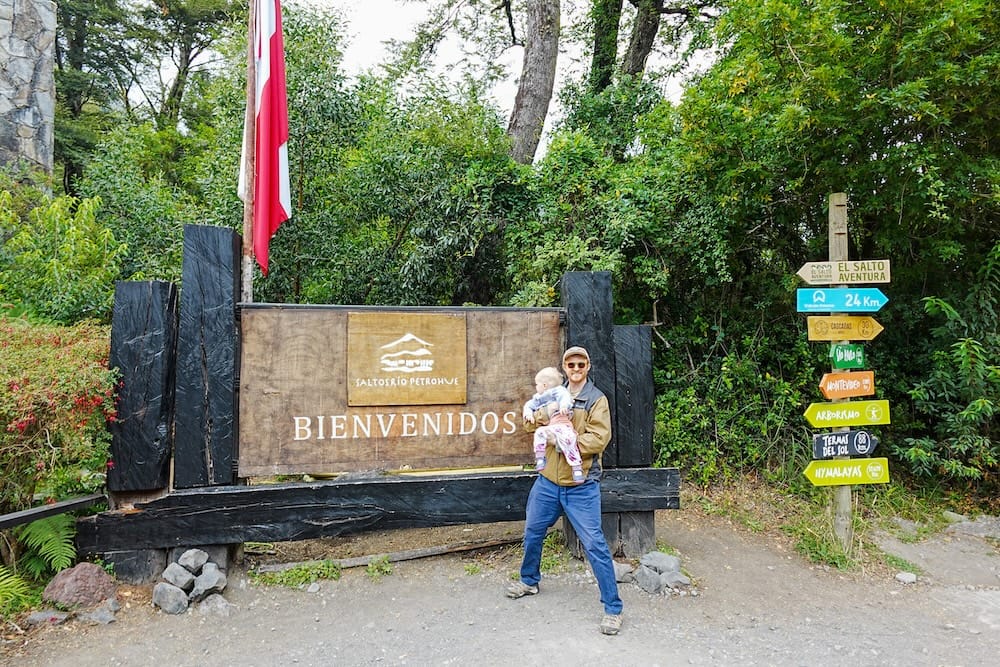
The main difference I noticed having done both legs of the Andean Crossing is the additional stop we made at Saltos del Rio Petrohué, or Petrohue Waterfalls, on the return journey from Puerto Varas to Bariloche.
I’m not sure why this was skipped on the way there – maybe it’s because we were arriving in Puerto Varas in the middle of a big celebration and they had to take into account all the traffic we encountered on the drive into the city, but I couldn’t say for sure.
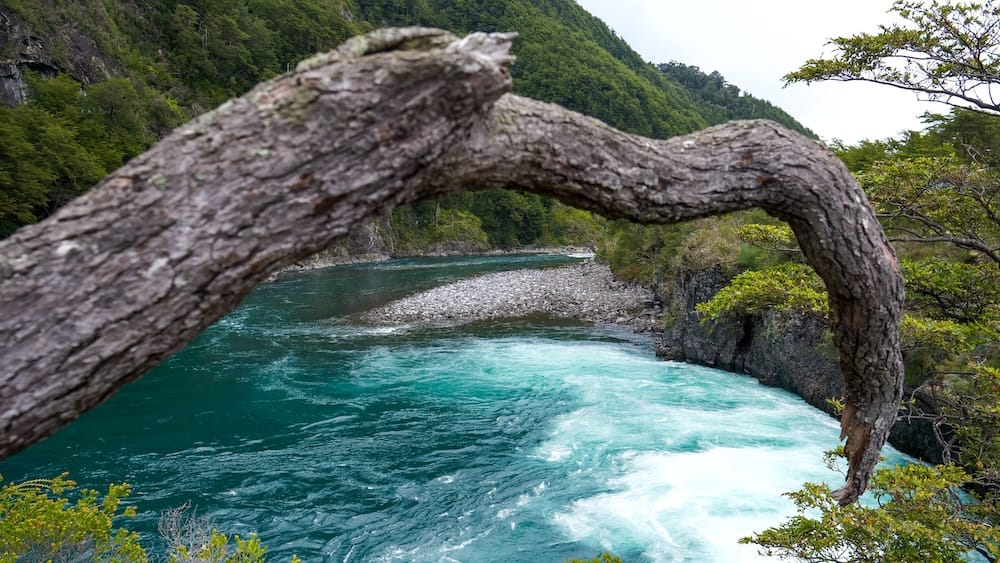
But on the return journey, this was our first stop of the day. The Petrohue Waterfalls are located inside Vicente Pérez Rosales National Park, and this is where you can see the water from Lake Todos Los Santos flow over lava that originates from the Osorno Volcano.
The landscape is dramatic to say the least! You have these bright turquoise waters flowing over black basaltic lava. Inside the park, you can walk a few different trails and stop at various vantage points.
Our time here was limited, but it was enough to see the falls and grab a coffee and a slice of kuchen (a German cake recipe that was brought over by the early immigrants).
The only other difference is that on the return journey we did our overnight stay at Hotel Puerto Blest. If you want to tackle multiple trails at Puerto Blest and hike up to Cantaros Waterfall, an overnight stay is the way to go!
Everything else about the journey was pretty much the same.
Is the Cruce Andino worth it?
So, the final verdict: is the Cruce Andino worth it?
For us, absolutely. In fact, this ended up being one of my favourite journeys we’ve done in Patagonia.
The Cruce Andino isn’t simply transportation between Bariloche and Puerto Varas. Getting from Argentina to Chile is almost beside the point. The journey itself is the attraction.
You’re cruising across intensely coloured glacial lakes, travelling through Valdivian forest, crossing the Andes on remote gravel roads, looking up at Mount Tronador and sailing past the volcanoes of Chile’s Lake District. Some of the most memorable places we encountered, like Lake Frías, Peulla and Puerto Blest, were places we probably never would have visited otherwise.
Should you go from Bariloche to Puerto Varas or Puerto Varas to Bariloche?
If you only need to travel one way, I wouldn’t choose the direction based on scenery. The landscapes are spectacular in both directions, so I’d simply plan the Cruce Andino around your wider Patagonia itinerary.
Travelling from Bariloche to Puerto Varas works beautifully if you’re starting in Argentina and continuing into Chile’s Lake District. Travelling from Puerto Varas to Bariloche makes just as much sense if your trip is moving in the opposite direction.
Is it worth doing the Cruce Andino both ways?
This was the question I wondered about before booking the return journey. Would we get bored travelling across the same lakes and roads we’d just seen a few days earlier?
Not at all.
I’m really glad we did the Cruce Andino there and back.
Patagonia is incredibly dependent on weather, light and cloud cover, so the same landscape can look completely different a few days later. Even travelling in the opposite direction changes your perspective. Plus, our additional stop at Petrohué Falls gave the return journey something new.
That said, I don’t think you need to book a round trip to get the Cruce Andino experience. If your itinerary naturally continues through Chile or Argentina, I’d do the crossing once and keep travelling rather than doubling back purely for the sake of it.
For us, doing both directions made sense because we wanted the full experience and knew we’d enjoy seeing the scenery again. If you’re equally obsessed with landscapes and slow travel, I don’t think you’ll regret the round trip.
One day or overnight?
This is another decision worth considering.
You can complete the Cruce Andino in a single day, and that will be the most efficient option for many travellers. But if you have the time and budget, I loved slowing it down.
We spent a night at Hotel Natural Patagonia in Peulla on the Bariloche to Puerto Varas journey and a night at Hotel Puerto Blest travelling back. Those stays transformed places that would otherwise have been brief stops into destinations of their own.
In Peulla, we had time to explore the surrounding valley and try an excursion. At Puerto Blest, staying overnight gave us time to slow down, enjoy the hotel and explore the trails, rather than immediately continuing onwards.
Travelling with a toddler also made breaking up the journey much more manageable. The Cruce Andino involves a lot of transitions between buses, boats, ports and border controls, so having somewhere to stop for the night was a welcome break.
My recommendation: if you simply need to get between Bariloche and Puerto Varas, book the one-way Cruce Andino in whichever direction fits your itinerary. If this is a bucket-list experience and you have extra time, consider adding an overnight stop. And if, like us, you love slow travel and want to experience the Andes from both directions, the round trip certainly doesn’t feel like doing the exact same journey twice.
Book the Cruce Andino
If the Cruce Andino sounds like your kind of adventure, you can check current availability, departure options and prices for the Andean Crossing below.
Book your 1-day Cruce Andino from Bariloche, Argentina to Puerto Varas, Chile.
Book your 1-day Cruce Andino from Puerto Varas, Chile to Bariloche, Argentina.
If you want to turn this into a multi-day trip, you need to book directly on the Cruce Andino or TuriSir websites so that you can select the desired length of the trip and the hotel stops.
You can use the Cruce Andino as a scenic one-way journey between Bariloche and Puerto Varas, or build it into a longer Patagonia itinerary like we did.
If your schedule allows, I’d also recommend spending a few days on either side of the crossing. Bariloche and Puerto Varas are both destinations worth visiting in their own right, rather than places I’d rush through simply to start or finish the journey.
GROUP TOURS – If you’d rather join a group tour to travel in Argentina, check out Gadventures.
CAR RENTAL – To explore Argentina beyond the cities, the best way to do so is by renting a car. Discover Cars offers rentals across the country.
BUS TICKETS – Bus travel is a great way to see Argentina. BusBud offers numerous routes.
TRAVEL INSURANCE – Don’t leave on your trip without booking travel insurance. You can get a quote on SafetyWing.
HOTELS – Booking.com offers accommodations to suit all budgets and travel styles.
TOURS – For a variety of tours and activities, have a look at Viator.