
This Puerto Madero neighbourhood guide covers things to do, where to eat, where to stay, easy day trips and family-friendly tips.
Puerto Madero is Buenos Aires’ youngest neighbourhood and it has experienced quite the makeover! The former docklands district is now home to glass high rises, riverfront promenades, and former red brick warehouses that hold gelato shops, cafes and restaurants. It feels modern and polished, yet you still catch glimpses of its working-port past in the towering yellow cranes and the old docks lining the water.
We’ve been on a quest to experience every neighbourhood in Buenos Aires, and most recently used Puerto Madero as our base. Well, it turned out to be a wonderful surprise for our entire family!
Our days in Puerto Madero were spent spotting birds at the Costanera Sur Ecological Reserve, strolling the riverside trails, playing with our daughter at the Museum of Imagination and Play, and diving right into the local Argentine food scene.
What surprised me the most about staying in Puerto Madero is how family-friendly it is. Maybe it’s because we’re currently travelling with our toddler, but I couldn’t help but notice the leafy parks and plazas with play areas, the museums and activities geared at young children, and the number of young parents pushing their little ones around in strollers!
I think anyone can enjoy Puerto Madero (I also visited pre-baby!), but I dare say this may be the best neighbourhood to stay in if you’re travelling with a young family. It offers the perfect balance of big-city energy with easy, relaxed vibes.
In this Puerto Madero neighbourhood guide, I’m going to share what there is to see and do, some easy day trips to consider, where to eat and where to stay, along with some practical advice. If you’re planning a trip to Buenos Aires, read on and see if Puerto Madero is the right neighbourhood for you.
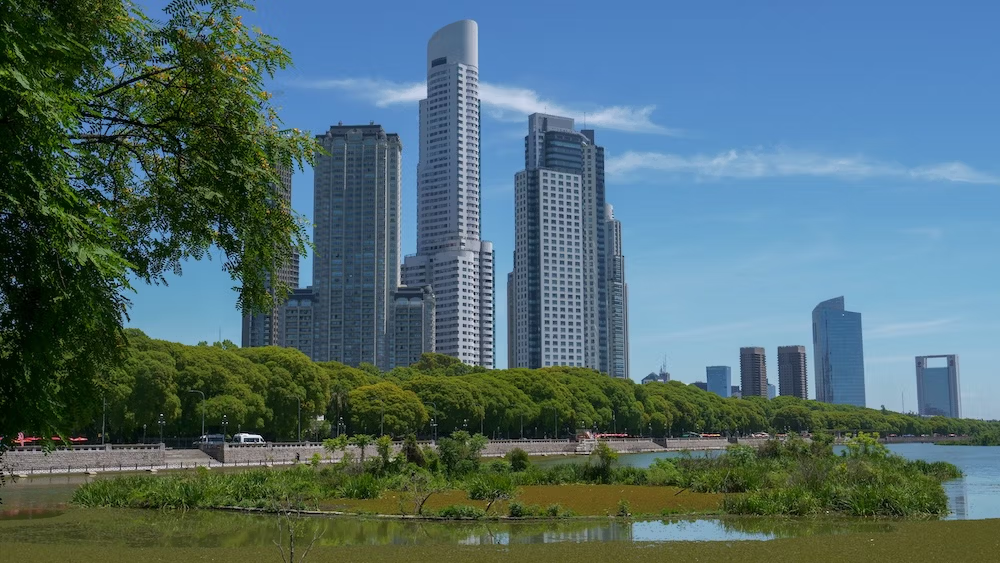
Things to do in Puerto Madero
Let’s kick things off with some of the main attractions which include everything from parks to ship museums!
Reserva Ecológica Costanera Sur
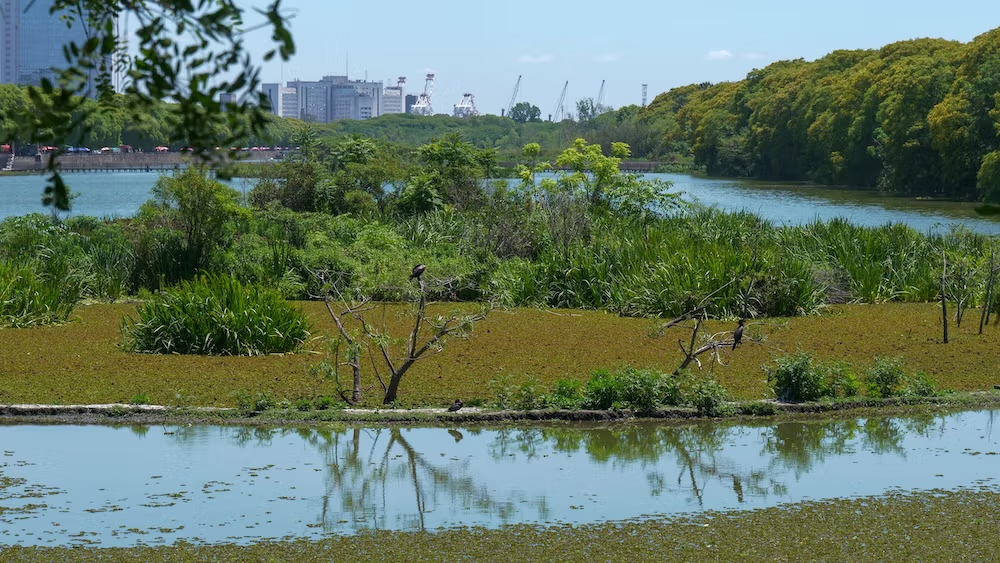
The Reserva Ecológica Costanera Sur, or South Coastal Ecological Reserve, is located in Puerto Madero’s east end, and I can best describe it as Buenos Aires’ wild backyard!
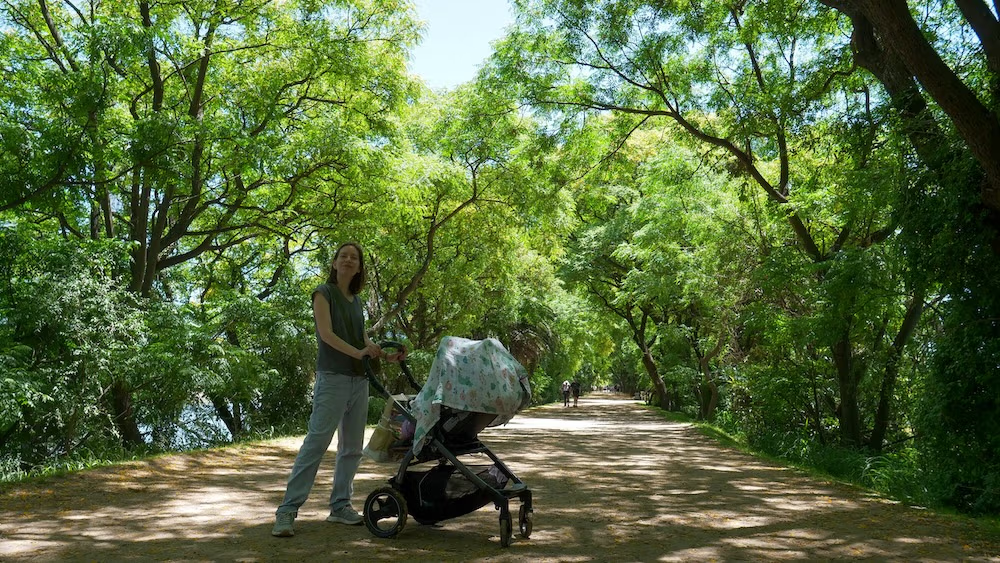
This eco reserve is made up of 350 hectares of wetlands, lagoons and riverfront trails right on the Río de la Plata. We spent a morning exploring the area while our baby napped in her stroller, and we were pleasantly surprised by the boardwalks, lookouts and dirt paths offering pretty spectacular views of nature and Puerto Madero’s skyscrapers on the horizon.
Also, if you’re a bird nerd, you’ll love this place as more than 200 species of birds have been recorded! We were fortunate enough to spot several herons as well as a snake, but you can also expect lizards, otters, opossums, guinea pigs, turtles, and many more.
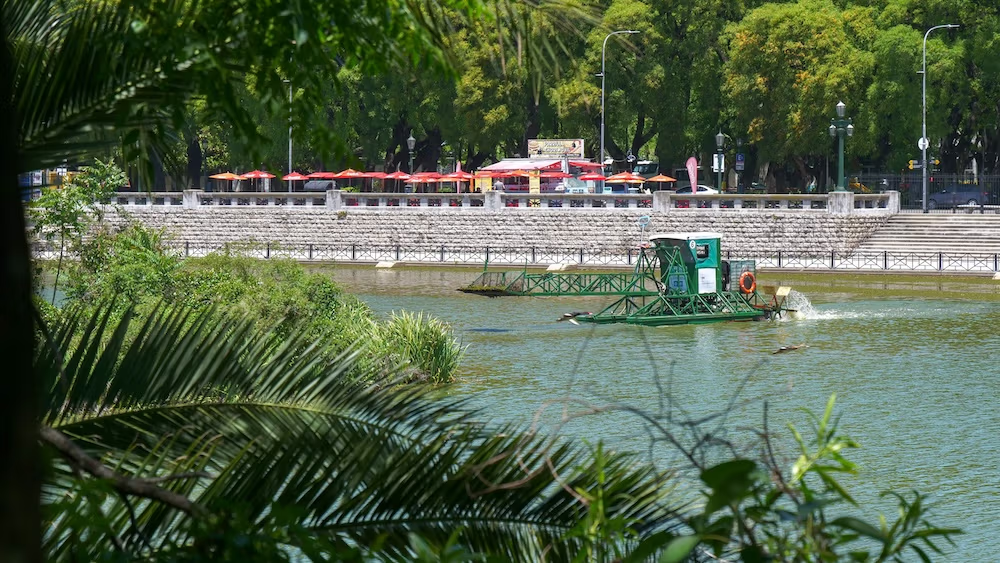
There are three main lagoons in the reserve: Laguna de las Gaviotas or the Seagulls Lagoon, Laguna de los Patos or the Duck Lagoon, and Laguna de los Coipos or the Otter Lagoon.
Entry to the Costanera Sur Ecological Reserve is free and it is open Tuesday to Sunday (closed Mondays).
If you’re visiting during the warmer months, you’ll want to bring water, sun protection and maybe even insect repellent. Plan on 2–3 hours if you want to reach the river viewpoints and enjoy the feeling of being out of the city.
Puerto Madero Docks and Cranes
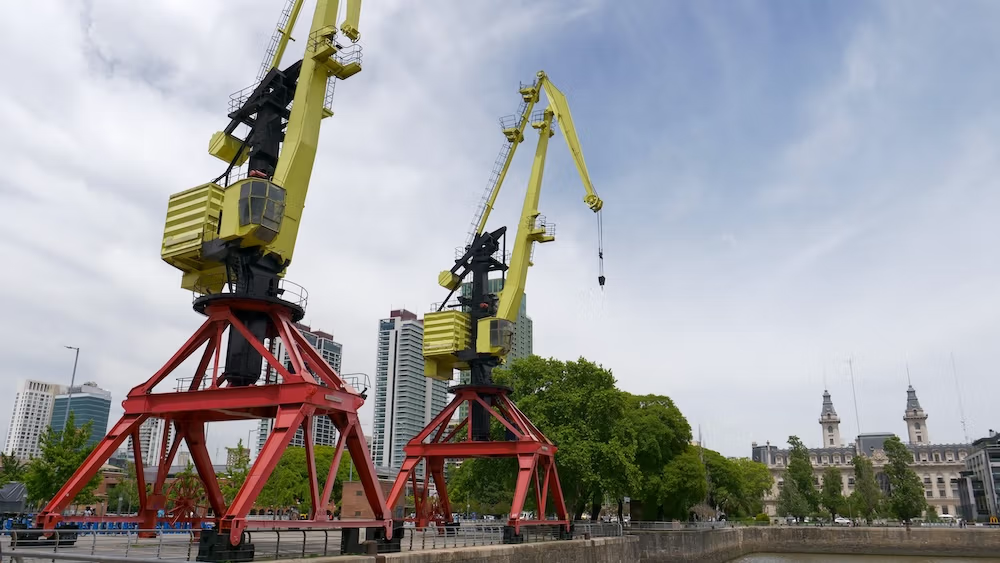
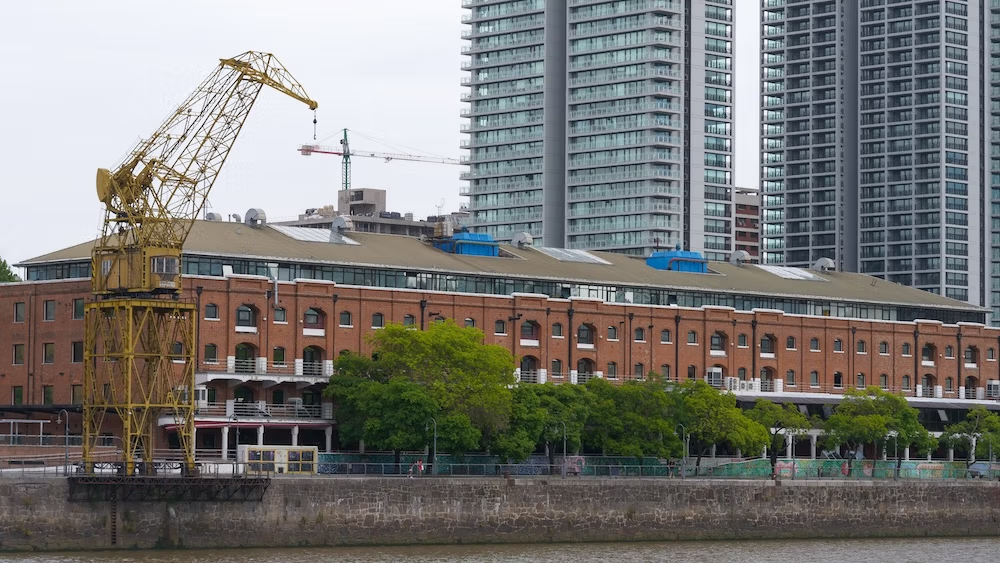
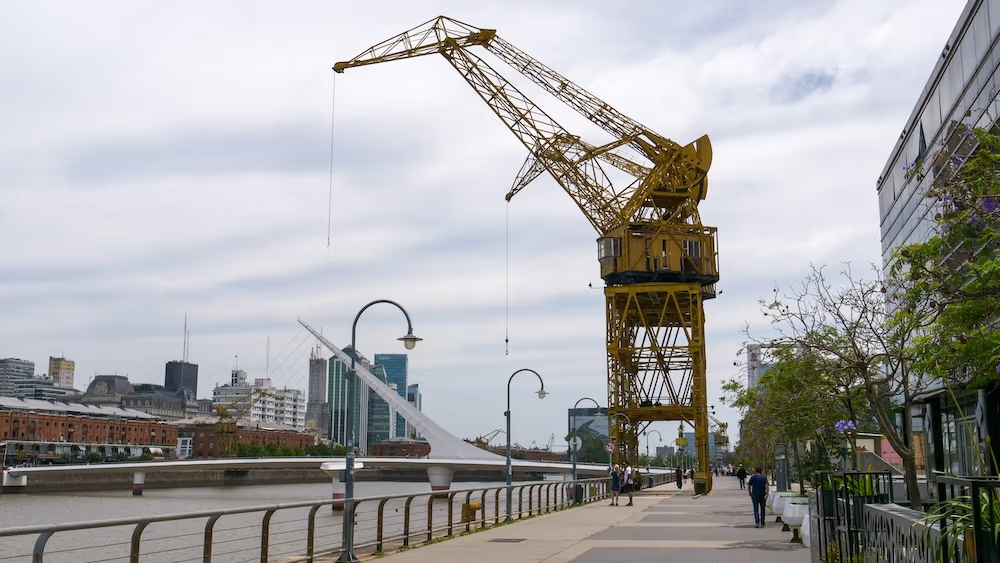
Puerto Madero’s waterfront promenade is all about the contrast: glassy high-rises and polished steakhouse patios on one side, old brick warehouses and bright yellow port cranes on the other.
The docks were once a working port and the restored cranes have been left in place as industrial sculptures, a reminder of the days when they loaded grain and goods bound for Europe.
The wide pedestrian paths along the diques are perfect for an easy, stroller-friendly walk, with plenty of spots to sit, people-watch and photograph the skyline reflected in the water.
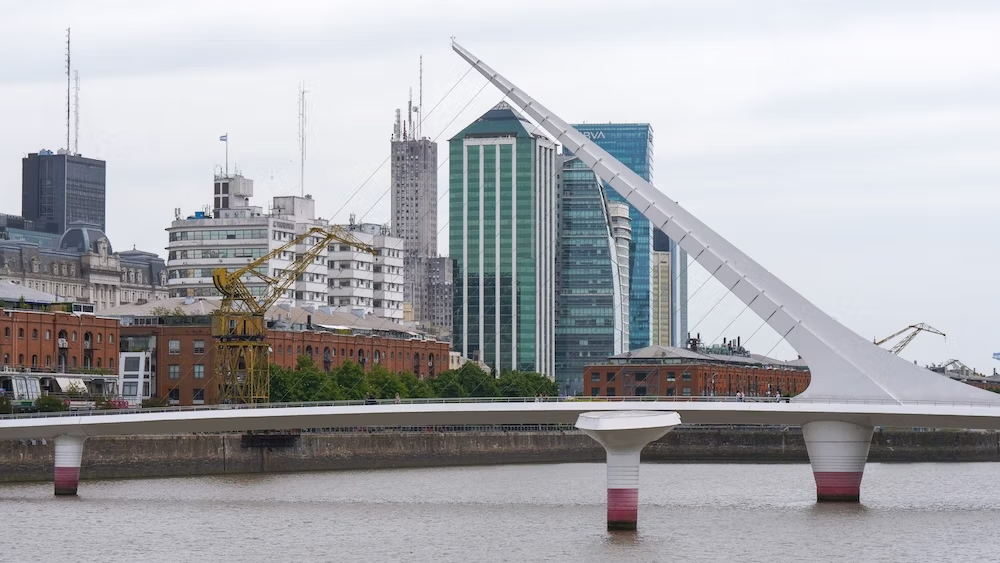
Puente de la Mujer
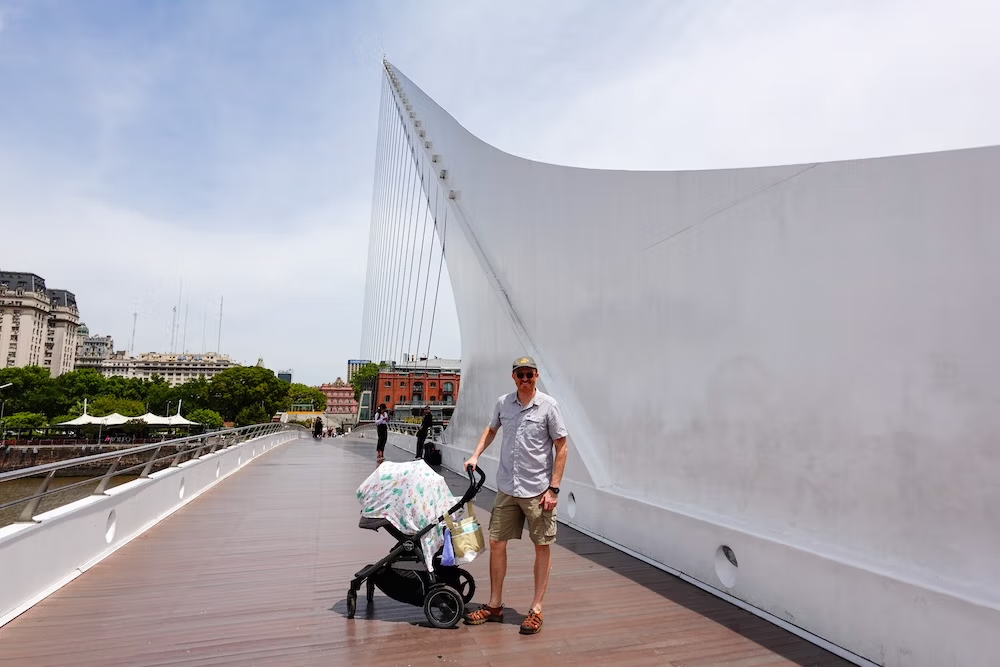
Puente de la Mujer translates to “Woman’s Bridge” and it is a major landmark in Puerto Madero. The sleek white pedestrian bridge was designed by Spanish architect Santiago Calatrava.
If you’re like me, you may be wondering why it’s called the Woman’s Bridge. It doesn’t exactly look like a woman! Well, apparently, it’s supposed to resemble a couple dancing tango! Maybe the bend of a woman’s knee?
Another fun fact about Puente de la Mujer is that the central section of the bridge rotates to allow boats to pass through. We didn’t get to see this, but I imagine it would be quite the event!
If you’re visiting Puerto Madero, you’ll likely hit up this attraction without even trying, as it naturally connects the east and west sides of the Río Darsena Sur, which is lined with restaurants, cafes and shops on both sides.
Museo de la Imaginación y el Juego (MIJU)
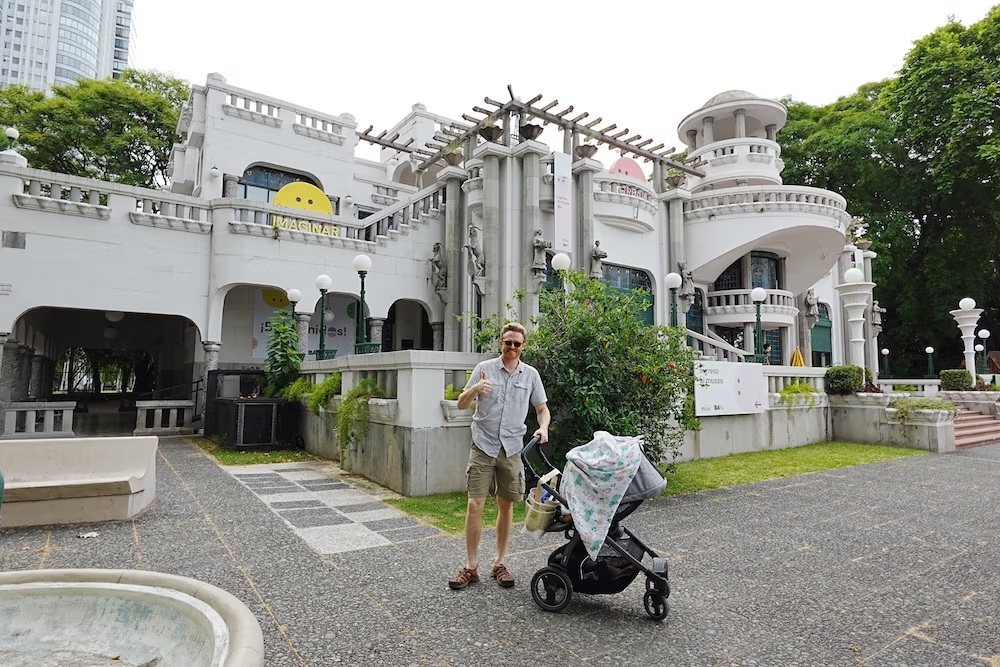
Puerto Madero is a very family-friendly neighbourhood, especially if you have young children. One attraction that stood out to me is the Museo de la Imaginación y el Juego (MIJU) or the Museum of Imagination and Play.
This museum is dedicated entirely to kids aged 0–12, and it has three floors divided by age categories: 0–3, 4–7, and 8–12.
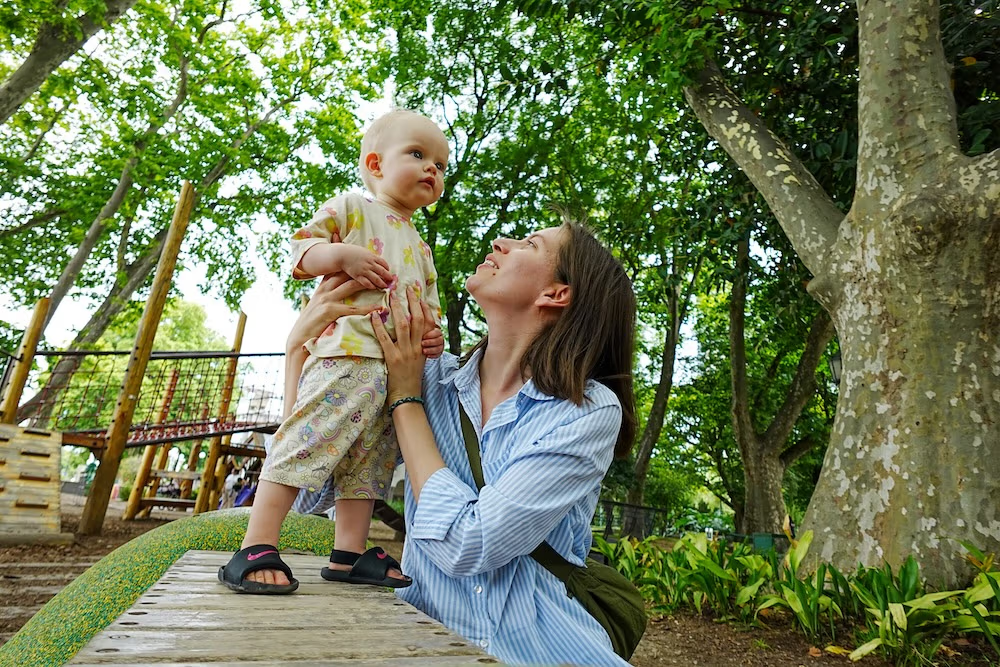
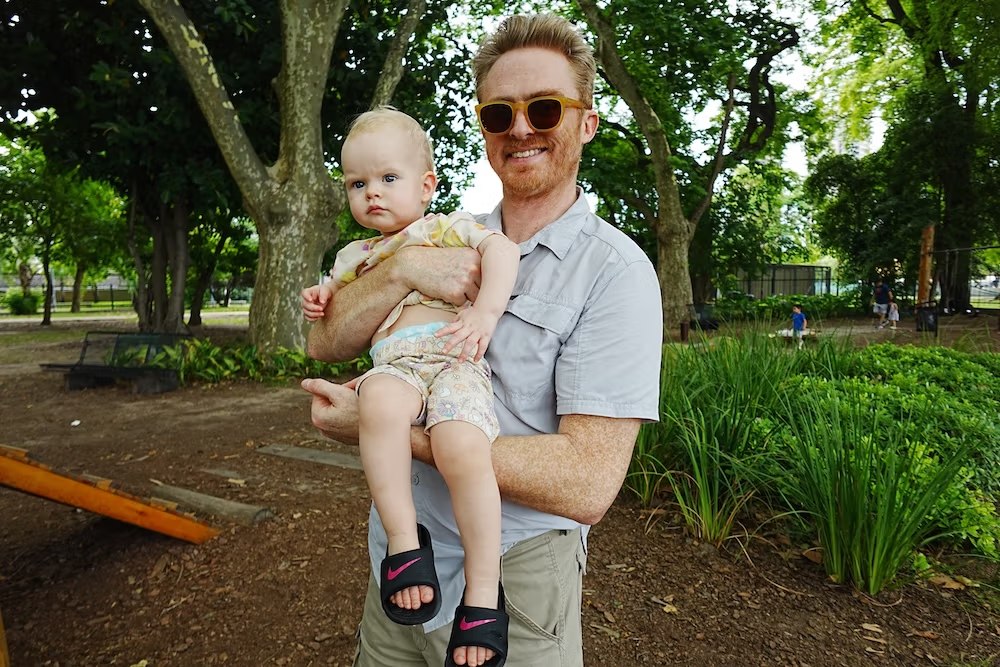
Each level has different installations for climbing, building, experimenting and play. Plus, they also have an outdoor garden with lots of fun play areas for burning off energy.
For the indoor portion of the museum, you need to book a timed slot online in advance. The duration of this play slot is one hour.
Only children pay admission, and while parents go in for free, there can only be one accompanying adult. This is done for crowd control and it gives kids more space to play.
To make a reservation at the Museum of Imagination and Play, visit the MIJU Instagram page, click the link in bio, select your child’s age category, and choose a time slot.
Wednesdays are usually free entry for everyone with prior reservation. That being said, prices and policies can change, so it’s always best to double-check the official site before you go.
We didn’t book the indoor portion before arriving, and we learned that the last session of the day was completely full, so we just enjoyed the outdoor playground with our daughter. But that’s a good lesson in planning in advance!
Lastly, if you’re wondering about some of the Bavarian scenes on the museum’s stained glass windows and along the outer walls (I know, I was!), this is because this building used to house the Munich Brewery. It’s nice to see that it has retained a bit of its history.
Buque Museo Corbeta ARA Uruguay
The ARA Uruguay is the oldest ship still afloat in the Argentine Navy and it is moored on Dique 4, where it has been transformed into a museum.
This steel-hulled corvette was built in England in 1874, and it was operational up until 1926. During that time, the ARA Uruguay served as a gunboat, a school ship, an expedition support ship, and a survey vessel, but it is perhaps best known for its Antarctic rescue.
In 1903, when the Swedish Antarctic expedition led by Otto Nordenskjöld ran into trouble, it was the ARA Uruguay that went to the rescue. Nordenskjöld’s vessel, Antarctic, had become trapped in ice for a second time, suffered damage, began to take on water and sank!
Helmed by Captain Julián Irízar, the ARA Uruguay was able to rescue all of the Antarctic‘s crew members, and they were welcomed back in Buenos Aires as heroes with pomp and circumstance.
So that’s a quick history of the Corbeta ARA Uruguay. It is now a floating museum, and you can go aboard to explore the passageways, peer into the cabins, and imagine what the long voyages of the late 19th and early 20th centuries must have been like!
Buque Museo Fragata ARA Presidente Sarmiento
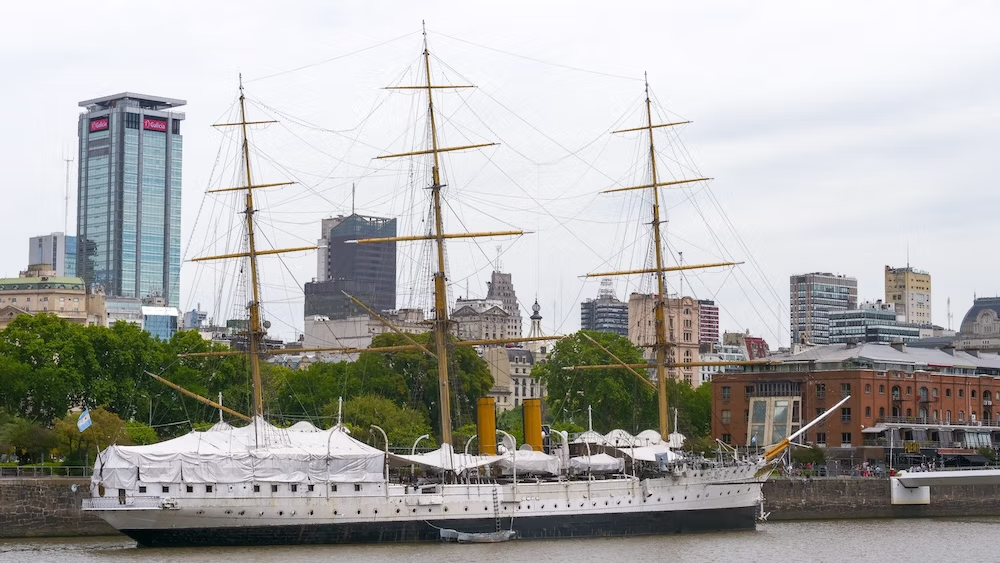
Just one dock south on Dique 3, you’ll find the ARA Presidente Sarmiento. This is a three-masted training ship that launched in 1897 and was once among the most advanced vessels of its time. Today, it is the last cruising training ship from the 1890s that is still intact.
During her service as a navy school ship, the ARA Presidente Sarmiento completed 37 voyages around the world between 1899 and 1938, representing Argentina at events like the opening of the Panama Canal, and has now retired as a museum and National Historic Monument.
Today, visitors can explore multiple decks, from officers’ quarters and cadet bunks to the engine room and galley, with exhibits explaining the ship’s routes, technology and daily life on board.
What stands out the most from my visit aboard the ARA Presidente Sarmiento was seeing the taxidermied body of the crew’s pet dog. His name was Lampazo, the Spanish word for the brush used to scrub the deck, and he was a Newfoundland dog. He is best remembered for leaping into a stormy sea after a sailor fell overboard, and his loyalty cemented him in history.
Madero Tango
I have written a very detailed guide to Buenos Aires’ best tango shows, and if this is something you’re looking to experience, you’ll be pleased to hear that Puerto Madero also has tango!
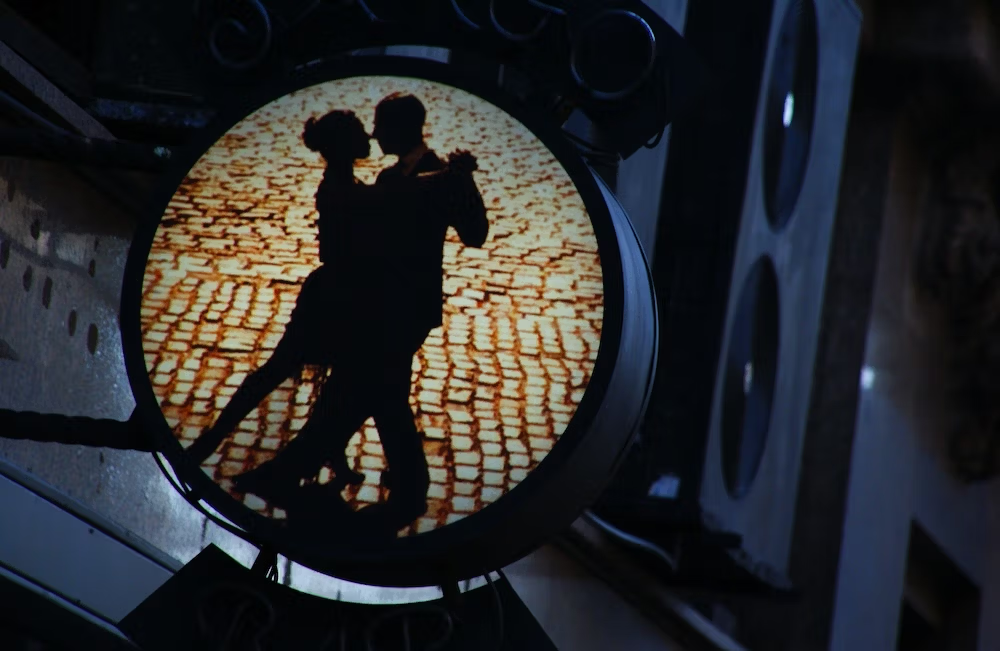
Madero Tango is a restaurant and show venue set next to the water with large windows that frame the river and skyline.
It offers a few different options, including tango lessons, a multi-course dinner and show, or just the show.
Every tango show is a little bit different, and this one is more of a high-energy production that blends traditional tango with modern choreography, a live orchestra and some Broadway flair.
If you’re staying in Puerto Madero and want something convenient and walkable after a day of sightseeing along the docks, this location is hard to beat.
Parks and Plazas
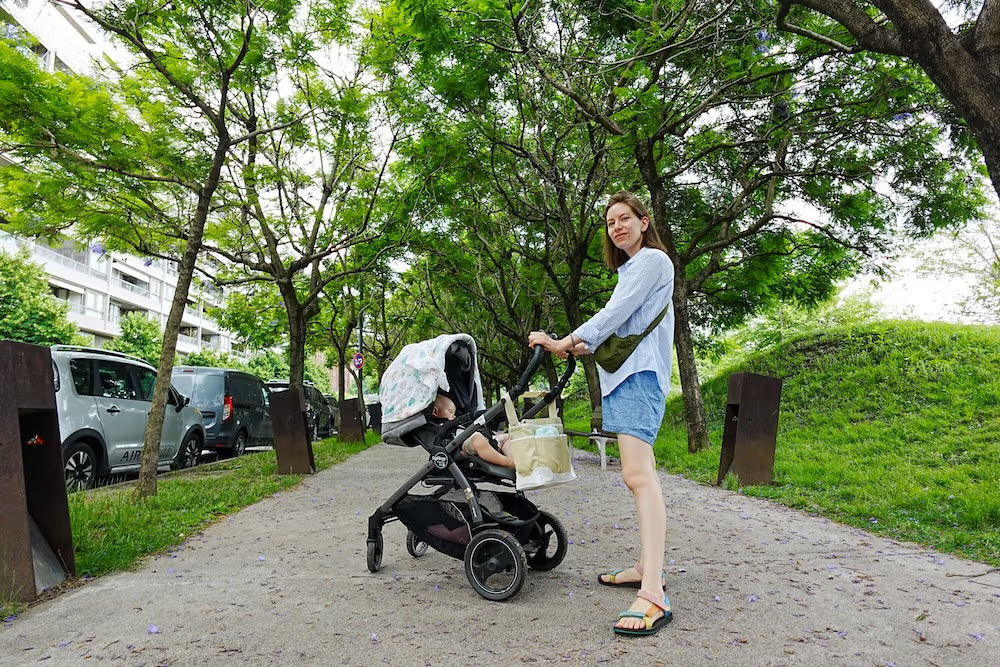
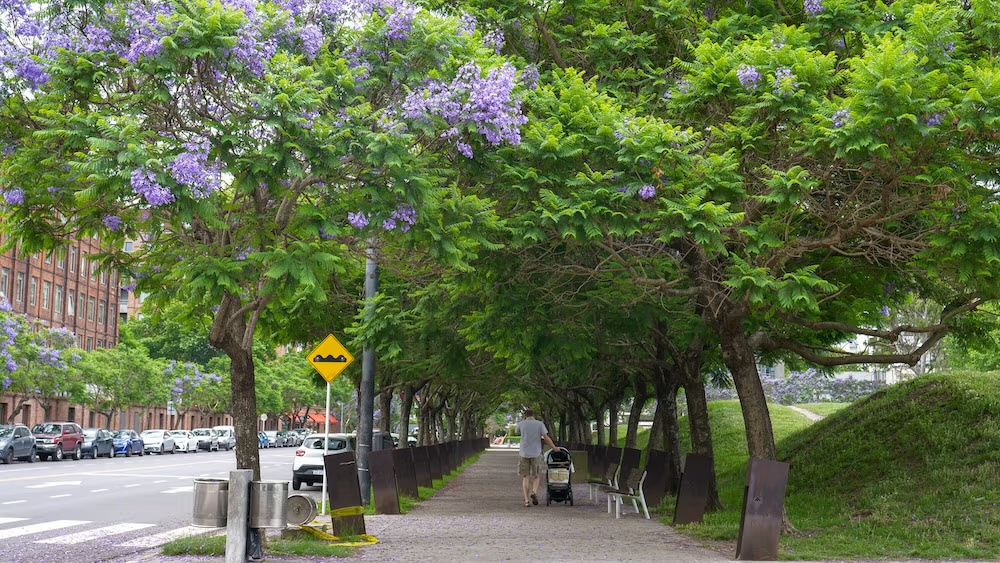
There are so many green spaces in Puerto Madero, that it would be almost impossible to name every park and plaza, so I’ll just highlight a few.
Plaza Haroldo Conti has a really nice playground with lots of slides, swings, and giant trucks that the kids can climb. Plus, the entire plaza is shaded, which means you can let the little ones run around even in the middle of a summer day.
Rosedal de Puerto Madero is a rose garden and it’s another spot to check out if you happen to visit when the rose bushes are in bloom.
Meanwhile, El Bosquecito, or the Little Forest, is a section with white poplars and tree-lined paths.
The nice thing is that all these parks and plazas are interconnected, so we enjoyed lots of long walks with our daughter in her stroller.
Boat Trips from Puerto Madero
Now that we’ve covered all the different things to do in Puerto Madero, let’s talk about some day trips!
That’s right, one of the nice things about staying in Puerto Madero during your visit to Buenos Aires is that you are right by the port.
Sturla Viajes operates a super easy day trip to Tigre by boat. The journey is 1 hour and 50 minutes, and once you arrive, you can spend the day exploring the town’s many museums, cruising the waterways and canals, and strolling the riverside promenade with an ice cream in hand.
And if you want to venture a bit further across the River Plate, you have the option of crossing over to neighbouring Uruguay. The Buquebus Terminal is located in Puerto Madero and offers departures to Colonia (1 hour and 15 minutes) and Montevideo (2 hours and 30 minutes).
We’ve visited both Colonia and Montevideo, and they are nice extentions to your Buenos Aires trip.
🛥️ Make your visit easy! This day trip to Tigre starts with a boat trip up the River Plate, includes snacks at Vivanco, and time to explore Puerto de Frutos and Paseo Victoria.
Where to Eat in Puerto Madero
This neighbourhood guide to Puerto Madero wouldn’t be complete without diving into the food scene, and yes, there’s plenty of steak on offer, both in restaurants and street food!
Siga La Vaca
It wouldn’t have been a proper visit to Puerto Madero without visiting at least one steakhouse!
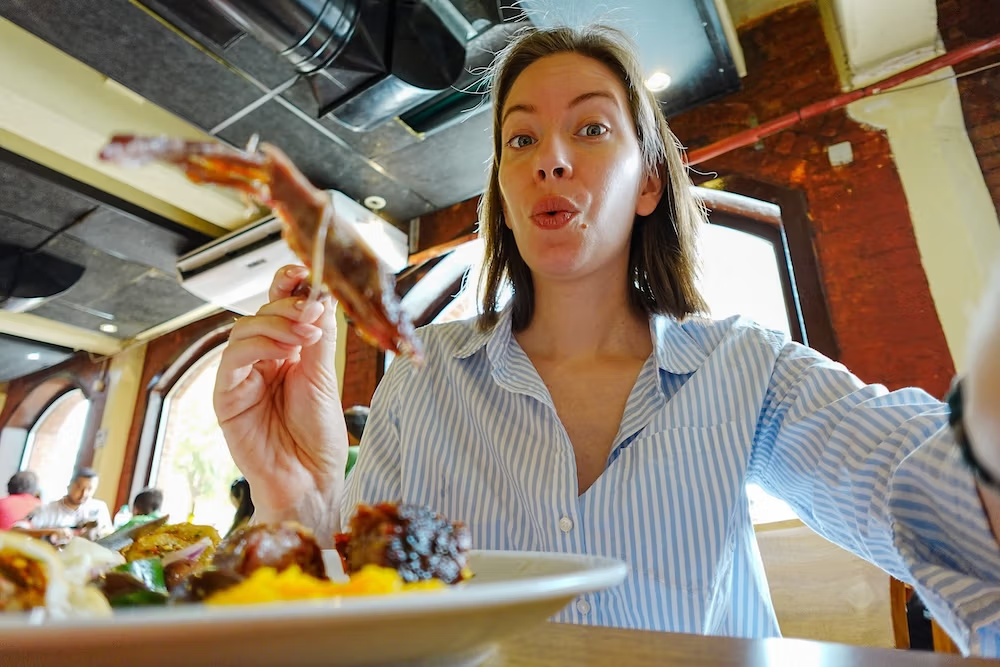
This time around, we ate at Siga La Vaca. This is an all you can eat barbecue restaurant, where you can walk up to the grill as many times as you like and sample various cuts of Argentine meat.
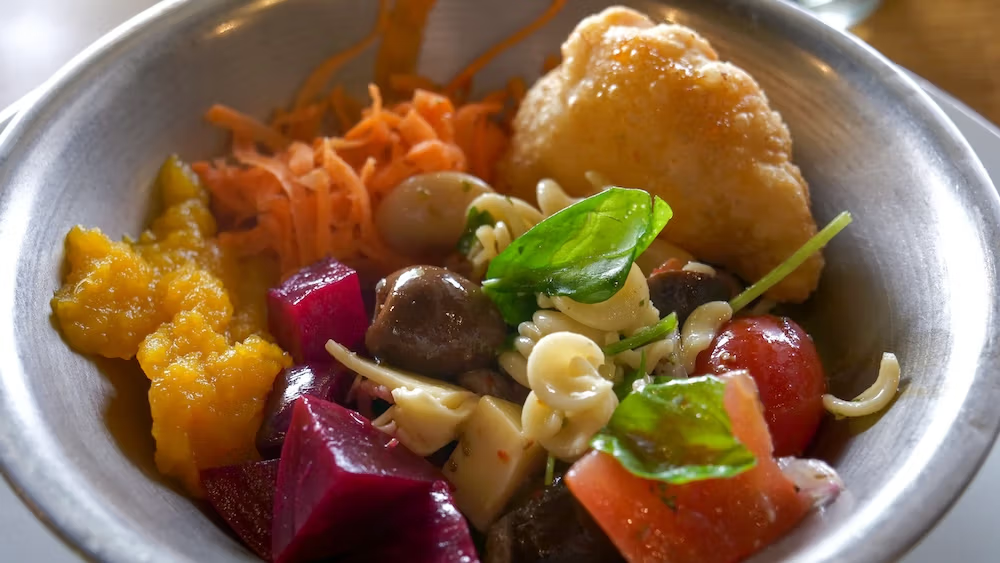
I tried classics like the chorizo and the vacio, which is a flank steak. Meanwhile, Sam tried the matambre a la pizza, a thin cut of meat topped with your regular pizza toppings. Plus, they have a huge salad and pasta buffet where you can load up on side dishes. So lots to try!
Dessert is included as part of this all you can eat buffet. I opted for the flan con dulce de leche, while Sam went for the panqueque con dulce de leche – both classic Argentine desserts!
And I should mention, that you get one drink with your meal, but they do not skimp out. When you order wine, you get a whole bottle of wine to yourself! And my friend, who asked for soda, got a whole jug of soda for herself. Suffice it to say, you won’t be going hungry or thirsty at Siga la Vaca!
Costanero Sur Food Stands
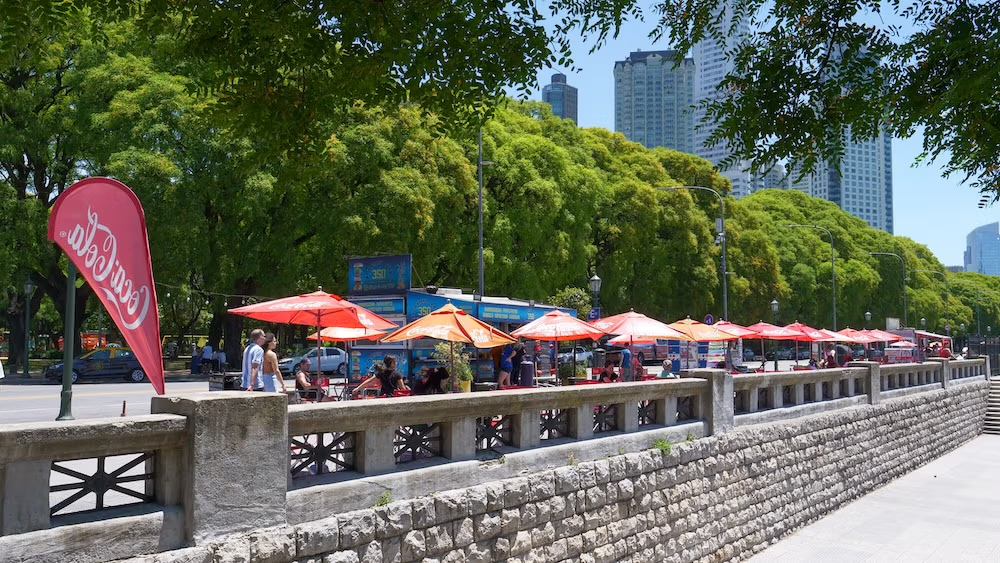
Costanera Sur is a long promenade that has parks to one side and the eco reserve to the other, so it’s a nice place for a stroll, but did you know it’s also a good place to eat?
That’s because the Costanera Sur is lined with food stands that specialize in all things meat! You can’t walk more than 25 meters without hitting the next stand.
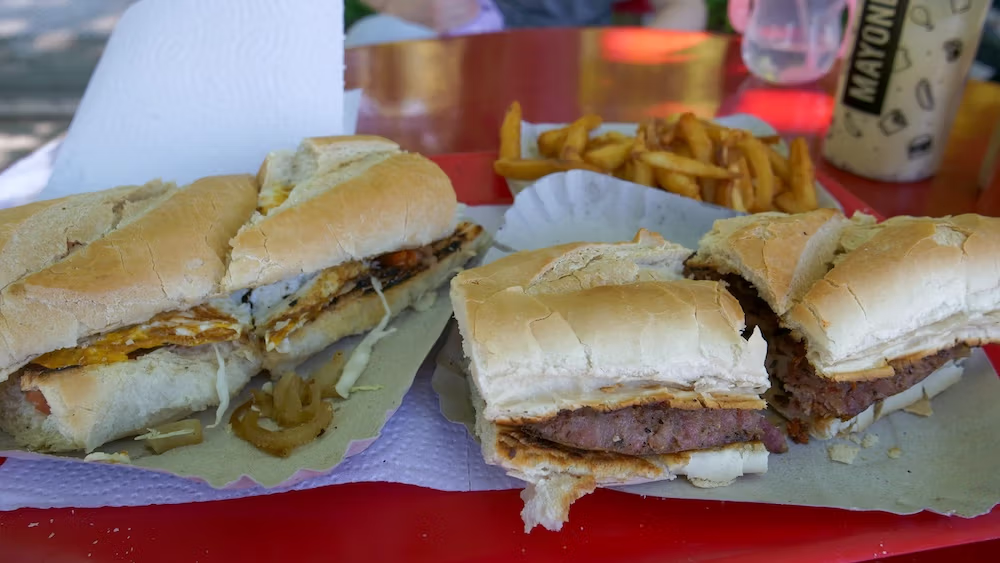
We ate at Parrilla Angelito, but most food carts have a similar menu that features choripán (sausage on a bun), sandwich de bife (beef sandwich), pancho (hot dog on a bun), hamburgers and fries.
This is a nice and easy option if you’re looking to grab lunch on the go.
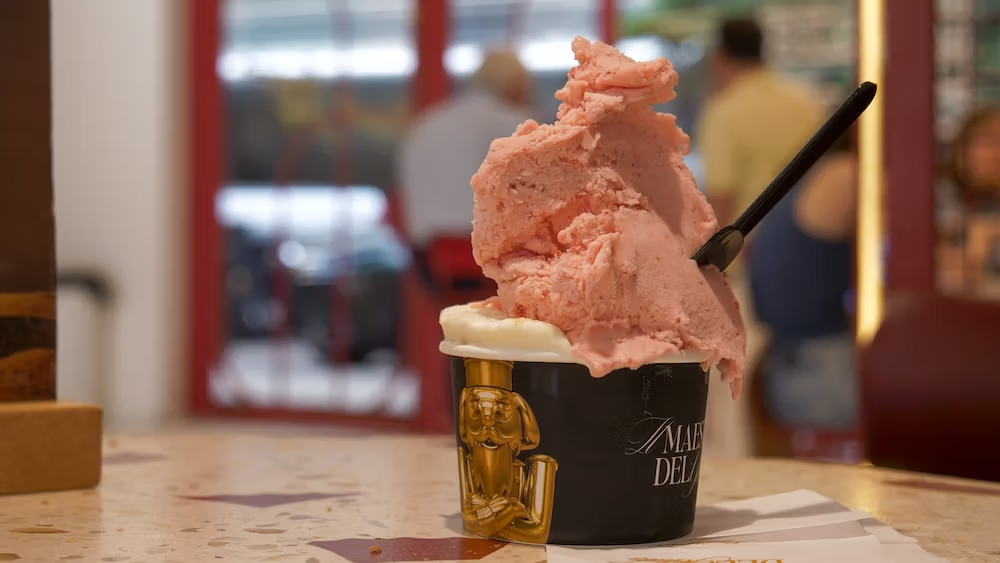
Lucciano’s
Ice cream was a daily occurrence during our stay in Puerto Madero. We visited in late spring and the days were hot and humid!
We came across Lucciano’s while walking along the port and it was an instant hit! I got a scoop of coconut and another of strawberry cream. I love creamy, fruity flavours, so it was just what I needed.
The interior has a very Italian vibe, and it was just nice to cool down in an air-conditioned space.
Where to Stay in Puerto Madero
Puerto Madero is one of the more upscale neighbourhoods in Buenos Aires and it comes with a price tag. If you’re looking for 5-star accommodations, you’re in the right place.
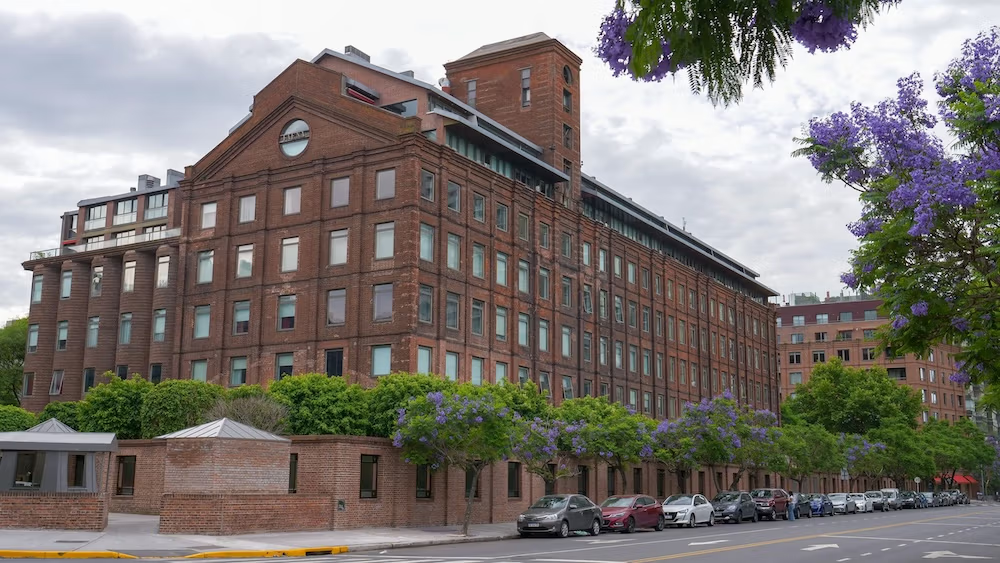
Hotel Faena – This hotel is set in an industrial red brick building, and it is known for its opulent decor with pops of red! It has a spa centre with a pool and hammam, a restaurant with an Italian-Sardinian menu, and it also hosts a cabaret-style tango show.
Hotel Madero – This property is a member of WorldHotels Elite and all of its rooms have private balconies. The hotel houses the Rëd Resto & Lounge with its own wine cellar, and the White Bar which offers customized cocktails.
Alvear Icon Hotel – Located in a 32-floor tower, the Alvear Icon Hotel offers both city and river views. It has an indoor heated pool with a retractable roof, plus multiple restaurants and bars.
Aside from hotels, you can also find a lot of short-term apartment rentals. Because we were travelling with our toddler, I was quite conscious of what I did not want: no balconies, no stairs and no dangerous furniture.
I lucked out with an AirBnB that had a kids’ room with a fun safari mural, an outdoor terrace with a trampoline, and a playpen. I did pay double what I normally would elsewhere in Buenos Aires, but we wanted to experience staying in Puerto Madero, and our daughter really loved the space.
More Buenos Aires Neighbourhoods to Consider
Now that you’ve read this Puerto Madero neighbourhood guide, you can decide if it’s the right base for your trip. If you’re after a slightly different vibe, here are a few other Buenos Aires neighbourhoods to consider:
Palermo – Trendy, sprawling and leafy, Palermo is the city’s creative hub with hip cafés, independent boutiques, buzzing nightlife and huge parks. Best for foodies, digital nomads and travellers who love a vibrant, youthful atmosphere and don’t mind being a short taxi ride from the historic centre.
San Telmo – Buenos Aires’ oldest barrio is all cobblestone streets, antique markets and tango-in-the-plaza energy. Great for history buffs, art lovers and anyone who enjoys bohemian, slightly crumbling charm. Just know that some streets can be noisy late into the night thanks to bars and live music.
Recoleta – Recoleta is elegant and residential, known for its Parisian-style architecture, famous cemetery and leafy plazas. Ideal if you like a classic, refined feel with lots of cafés, museums and easy access to other central neighbourhoods.
Retiro – A mix of grand avenues, leafy squares and major transport links, Retiro gives you quick access to buses, trains and many of the city’s main sights. Good for travellers who want a central, well-connected base with a touch of old-world grandeur.
Monserrat / Microcentro – This is the political and historic heart of Buenos Aires, home to Plaza de Mayo, Casa Rosada, Barolo Palace and many landmark buildings. Perfect if you want to be in the middle of the action during the day. Some blocks feel a bit more hectic and gritty, and it quiets down a lot at night.
La Boca – Colourful, raw and full of character, La Boca is where you’ll find Caminito, street tango and intense fútbol culture. I’d treat it as a daytime sightseeing neighbourhood rather than a place to stay overnight, and stick to the main tourist area.
Chacarita – A rising star with a local, lived-in feel, known for its massive cemetery, craft breweries and creative scene. Great for travellers who enjoy off-the-beaten-path neighbourhoods, café-hopping and a more residential vibe.
Villa Crespo – Palermo’s quieter neighbour with lower-key charm, emerging restaurants and indie shops. Ideal if you like staying somewhere that feels local and authentic, while still being close enough to Palermo’s parks and nightlife when you want it.
GROUP TOURS – If you’d rather join a group tour to travel in Argentina, check out Gadventures.
CAR RENTAL – To explore Argentina beyond the cities, the best way to do so is by renting a car. Discover Cars offers rentals across the country.
BUS TICKETS – Bus travel is a great way to see Argentina. BusBud offers numerous routes.
TRAVEL INSURANCE – Don’t leave on your trip without booking travel insurance. You can get a quote on SafetyWing.
HOTELS – Booking.com offers accommodations to suit all budgets and travel styles.
TOURS – For a variety of tours and activities, have a look at Viator.